
HERITAGE · ORIGIN · PROVENANCE
BEFORE THE WORK,
THERE WAS A WORLD.
Sound, image, history, movement and cultural memory were there before they became disciplines.

BEFORE MEMORY
THE MUSIC WAS ALREADY THERE.
Before I could name Beethoven or Chopin, their music may already have been familiar to me. Years later, I found the classical music cassettes my mother had listened to while she was pregnant with me.
I cannot know exactly what remained from those months. But in my own story, music begins before memory.
EARLY IMPULSES
MUSIC · IMAGE · FORM.
Born in Bali and raised within a culturally layered environment, I encountered different ways of seeing the world early on.
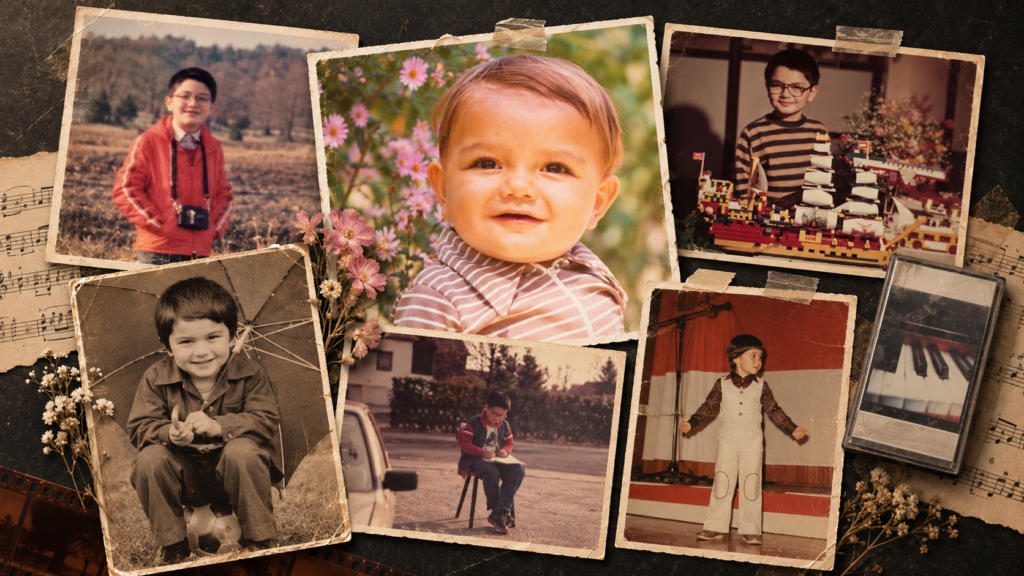
As a child, I drew, photographed, built elaborate LEGO constructions and became familiar with the camera from both sides — taking pictures and being photographed, posing and modelling.
Creativity was not divided into disciplines. Music, image, construction, performance and imagination simply belonged together.
Early appearances in kindergarten, church and community settings added another element: the experience of standing in front of people, using the voice, entering a role and communicating through performance.
What began as play, curiosity and instinct would soon enter a professional framework.
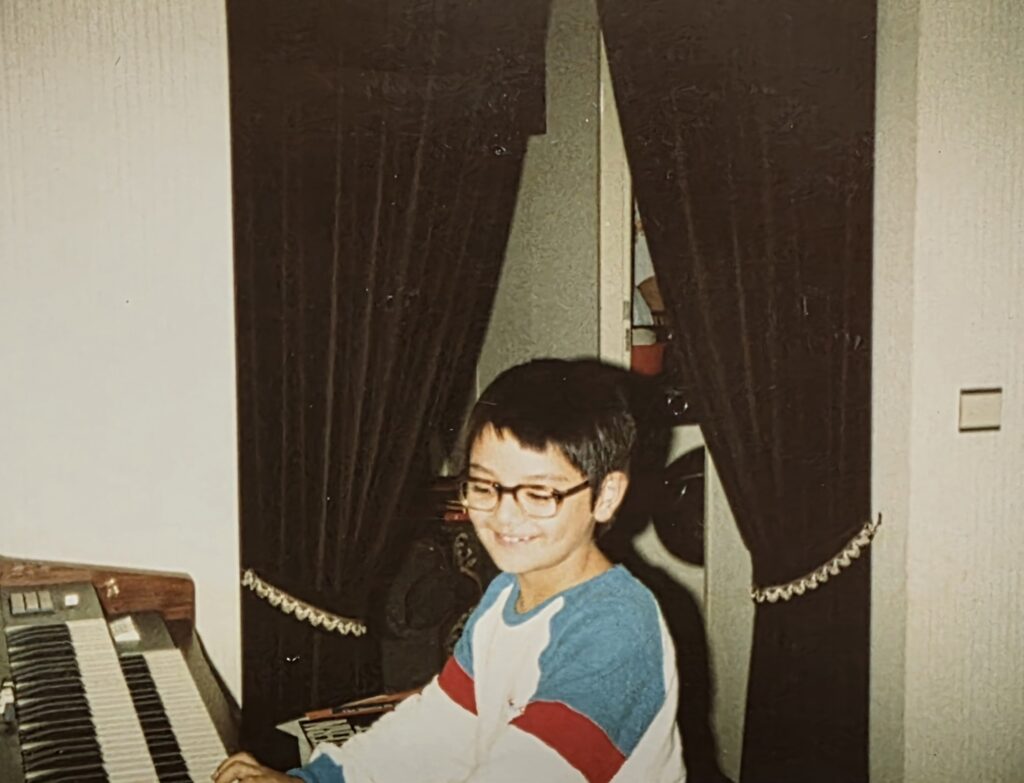
Before there was a grand piano, there was already the fascination of sitting at a keyboard.
CONTINUITY
THE PAST ANSWERED.
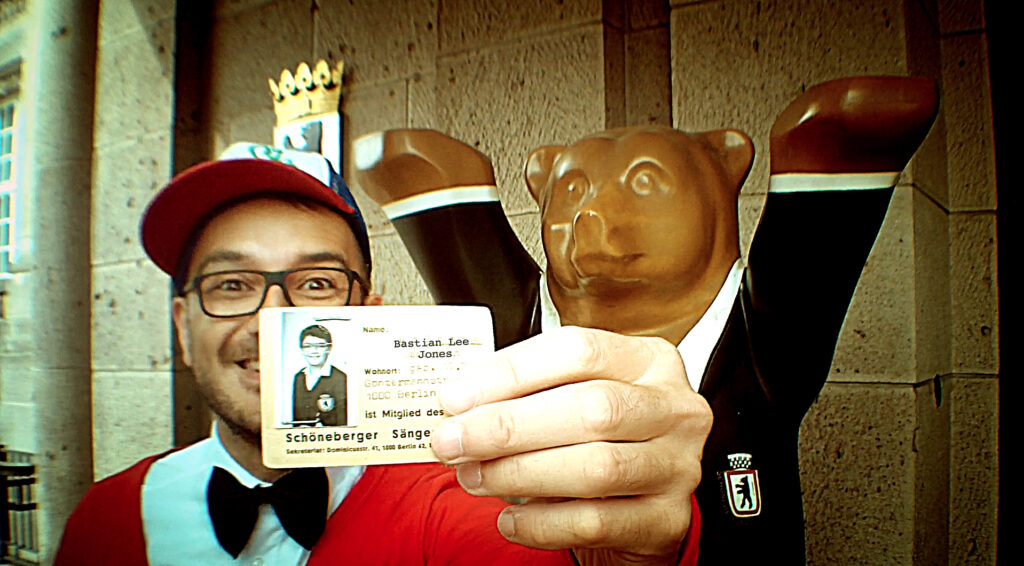
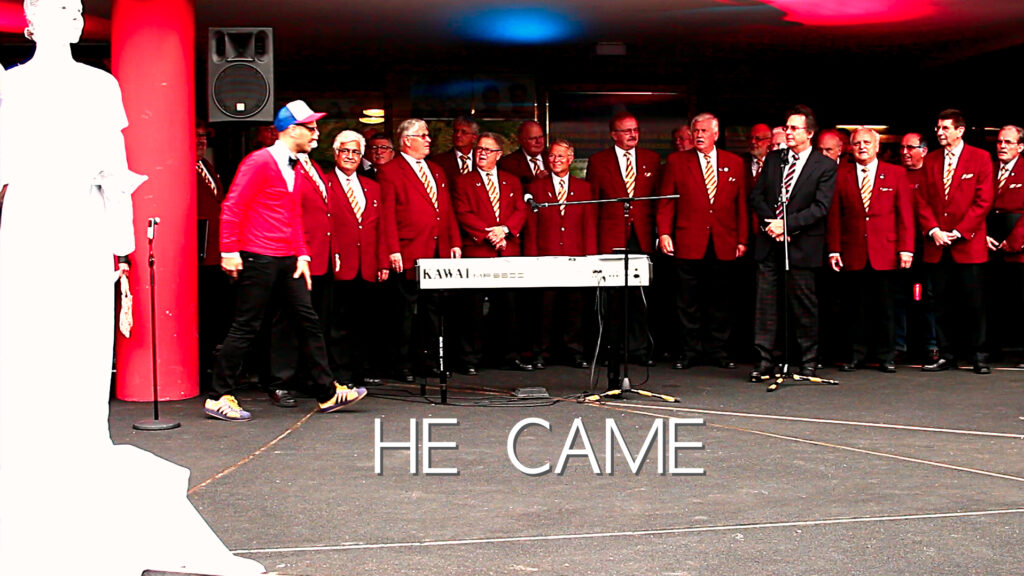
EARLY PROFESSIONAL LIFE
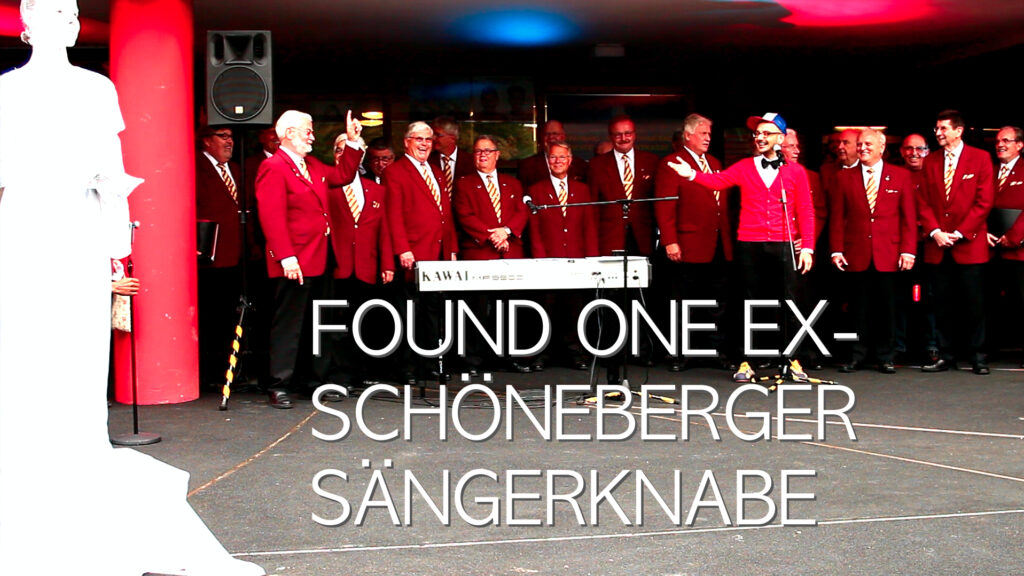
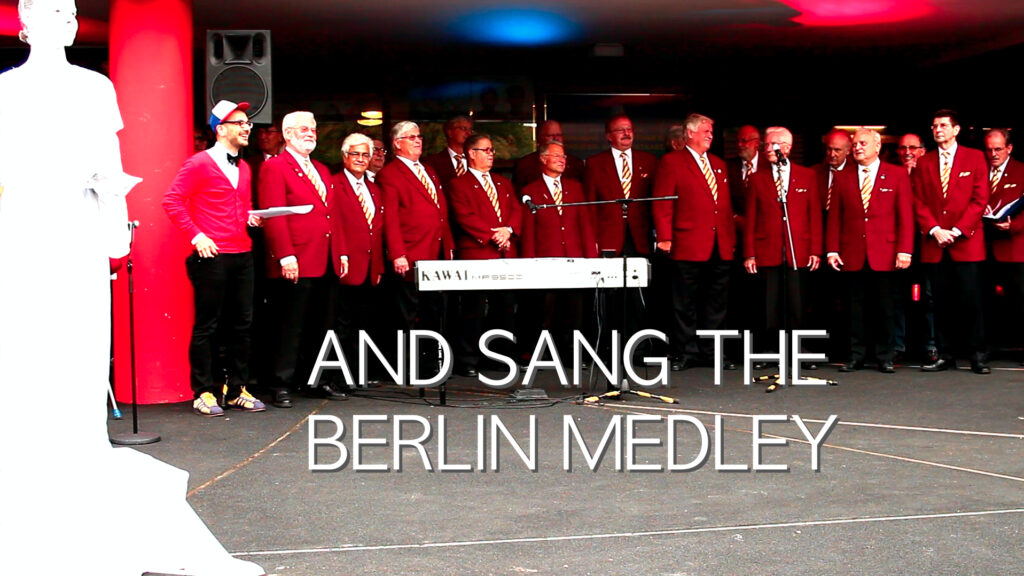
SCHÖNEBERGER SÄNGERKNABEN.
The Schöneberger Sängerknaben became my first professional musical environment.
Rehearsals, recordings, television productions, opera, concert tours and major public events introduced me early to a world in which music was inseparable from discipline, travel, institutions, media and people.
It was also the beginning of artistic independence. Music was no longer only something I practised — it was work for which I was paid.
PRACTICE
MUSIC AS WORK.
From 1984 to 1988, the Schöneberger Sängerknaben operated with a clear professional rhythm.
Rehearsals took place on Monday evenings at Rathaus Friedenau, in the Breslauer Saal. I sang second alto, the lowest voice in my section.
At the end of rehearsals, the boys were assigned to upcoming engagements. Around thirty-five singers might take part in a regular concert or tour appearance.
Fees were modest but real. Hotel performances, opera appearances, recording sessions and tours were paid separately, with the money distributed at the beginning of each month.
Music had become work — structured, paid and expected to function.
Typical fees during those years ranged from around:
3 DM for a Hotel/city/oridnary appearance
8 DM for Deutsche Oper Berlin appearances
10 DM for recording sessions
20 DM for concert tours
(to be paid out in cash at the beginning of next month in time).
FIRST PERFORMANCE
LEARNING BY LISTENING.
My first appearance with the choir was at Hotel Berlin in 1984.
Because the concert programme itself was not rehearsed in our regular Monday sessions, I barely knew pieces such as Berlin tut gut or Pack die Badehose ein. At first, I survived by watching, listening and occasionally moving my lips when I was unsure.
But a choir teaches fast.
By following the boys around me, hearing the same harmonic lines repeatedly and catching the recurring refrains, the repertoire became familiar with remarkable speed. After only a few performances, melody, text and voice-leading began to settle into memory.
That was one of the first lessons I learned about ensemble work: sometimes the group teaches you before you even realise you are learning.
OPERA
DEUTSCHE OPER BERLIN.
Regular performances at the Deutsche Oper Berlin formed part of my work with the Schöneberger Sängerknaben.
The choir appeared in productions including Das Rheingold, Tosca, Il barbiere di Siviglia, Hänsel und Gretel, Turandot, Carmen and Die Weise von Liebe und Tod des Cornets Christoph Rilke.
Opera meant more than appearing on stage. It meant rehearsals, repetition, precision, and the experience of working within large professional productions from an early age.

DEUTSCHE OPER BERLIN
LA BOHÈME · LUCIANO PAVAROTTI
Guest performances with international stars could mean additional rehearsals outside the choir’s normal routine.
For La bohème, the children’s chorus appears in the crowded second-act scene around the toy seller Parpignol. The music, movement and timing had to work with absolute precision.
We had extra rehearsals in Italian and prepared the stage action carefully. One entrance was particularly exposed: after a long stretch of counting, the children’s chorus had to come in at a moment when very little else could guide us.
Pavarotti arrived backstage and greeted everyone — technicians, staff, musicians and singers. Then he turned to us: “Tutti bambini, cantiamo insieme.”
Moments later, we followed him onto the stage.
We had counted. We knew the notes. We knew the scene.
And when the entrance came, none of us began.
Every boy was waiting for someone else to make the first sound.
Gerhard Hellwig was furious afterwards. The lesson was immediate — and so was the deduction from the fee.
What remained, however, was something larger: the scale of opera, the concentration behind it, and the presence of an artist who could fill a stage before he had even begun to sing.
Experiences like these are part of why I still make music.
SPECIAL PRODUCTION
THE CORNET · MAXIMILIAN SCHELL
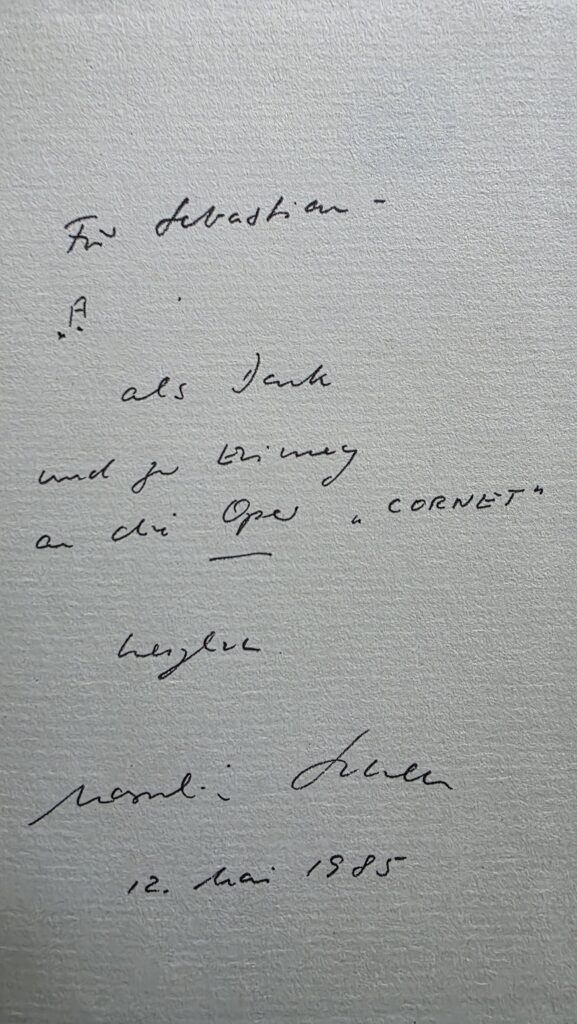
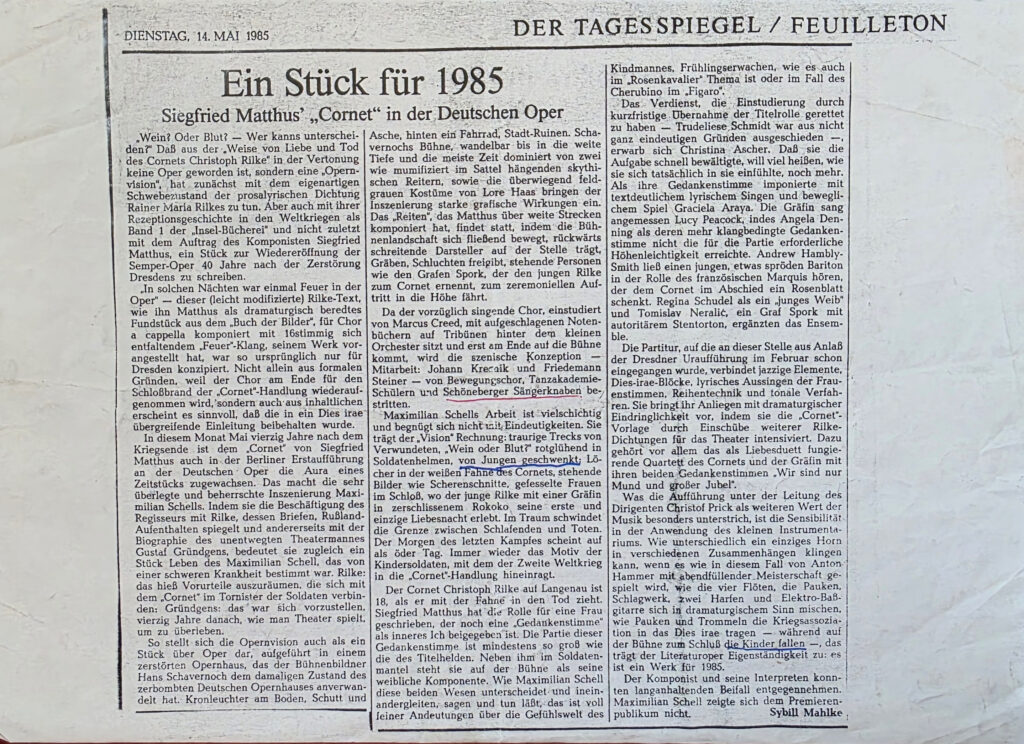
One of the most memorable productions during my years with the Schöneberger Sängerknaben was Die Weise von Liebe und Tod des Cornets Christoph Rilke at the Deutsche Oper Berlin.
The production meant an intensive week of rehearsals with Maximilian Schell. What remained in my memory was not only the scale of the performance, but the proximity of the work itself — rehearsing, waiting, watching, listening, and even playing football together on the rehearsal stage between sessions.
Years later, the traces of that week remain in my personal archive: Rainer Maria Rilke’s Die Weise von Liebe und Tod des Cornets Christoph Rilke, press material, and a handwritten dedication by Maximilian Schell.
For me, these objects are more than memorabilia. They are evidence of how early professional theatre, literature and music became part of the same world.

TELEVISION · TOURING
THE STAGE GOT BIGGER.
The work of the Schöneberger Sängerknaben extended far beyond Berlin.
Television productions and concert tours took us to studios, theatres and venues across Germany — including Düsseldorf for Auf Los geht’s los, appearances connected with Joachim Fuchsberger, and productions with Carolin Reiber such as Sonntagskonzert auf Tournee.
For a young singer, travelling was part of the profession: rehearsing, performing, waiting backstage, adapting quickly to unfamiliar stages and discovering how television transformed a performance into something seen far beyond the room itself.
Music was becoming inseparable from media.
HEIMAT, DEINE LIEDER.
During Berlin’s 750th anniversary year, the Schöneberger Sängerknaben were invited to Munich for the ZDF production Heimat, deine Lieder, presented by Carolin Reiber.
On 30 March 1987, we flew from Berlin-Tegel to Munich with Pan Am.
Before the journey, the choir equipment was distributed: blue anoraks with the choir insignia, red-and-white striped scarves in the colours of Berlin, black performance jackets with the choir emblem and the travel bags that accompanied us on tour. White shirts, knee-length white socks, short black trousers and black shoes completed the traditional stage outfit; long black trousers were brought from home.
The television production took place in Unterföhring. Television required its own form of discipline: entrances, positions, movement and camera directions had to work precisely.
During the visit, we were also able to see the studio environment associated with The NeverEnding Story and its flying dragon Falkor.
Years later, the name of the story’s protagonist would acquire an unexpected personal resonance of its own: Sebastian became Bastian.
MUNICH · MAY 1987
BERLIN IN MUNICH.
Only weeks later, we returned to Munich.
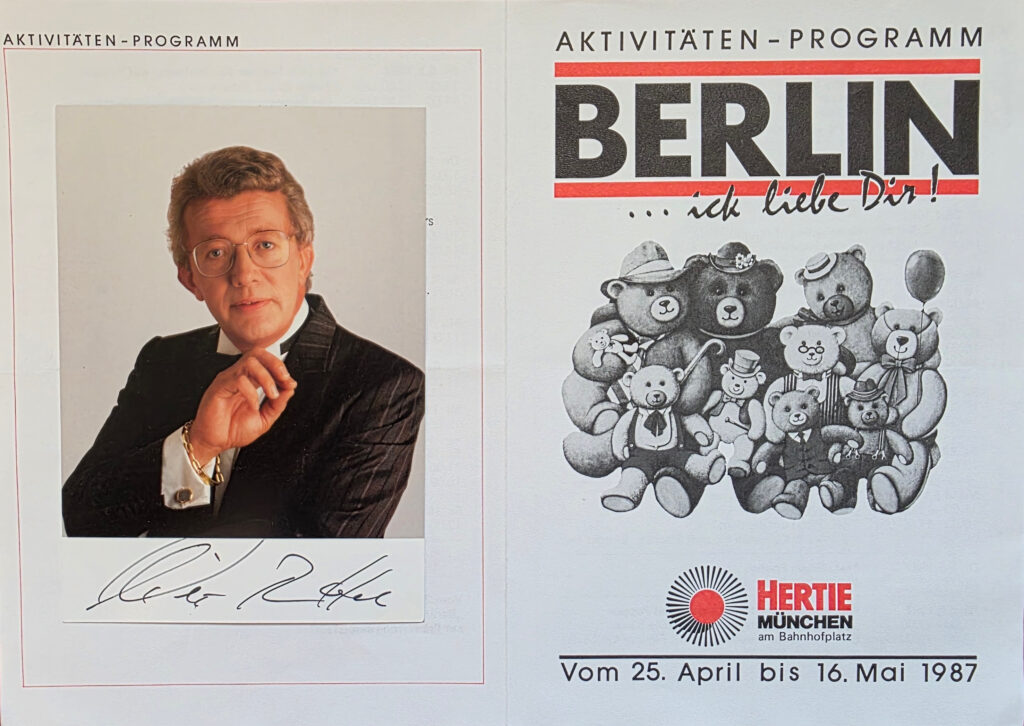
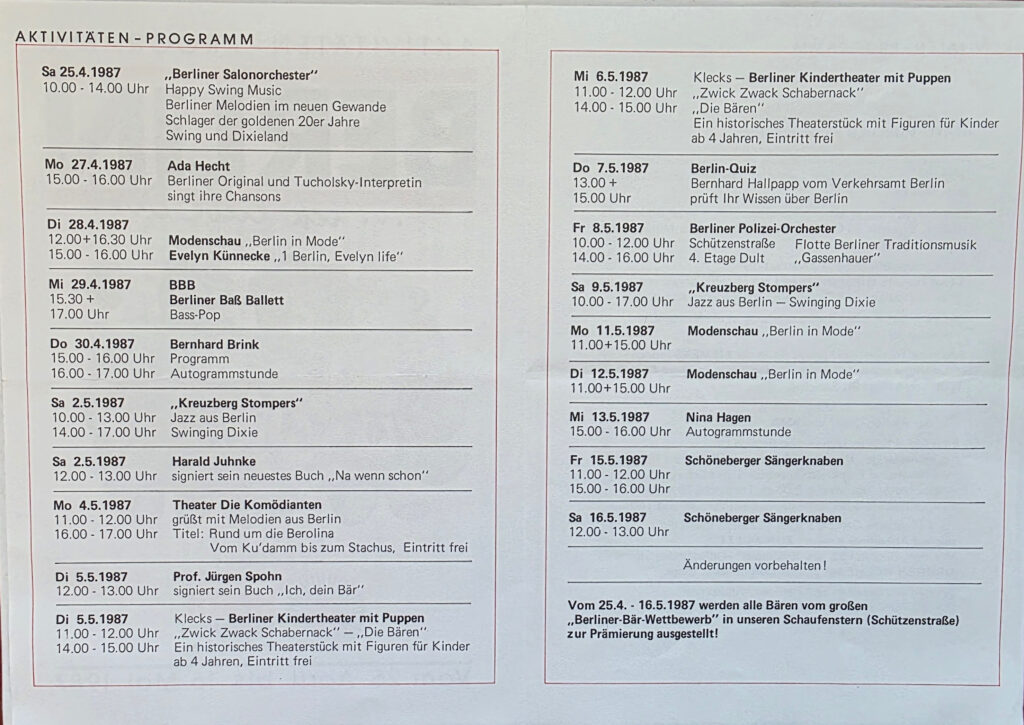
As part of HERTIE’s Berliner Woche, the Schöneberger Sängerknaben performed on 15 and 16 May 1987 in a programme devoted to Berlin’s music, entertainment and culture.
The programme placed us alongside an extraordinary cross-section of Berlin personalities and performers.
What I remember most vividly, however, is the heat.
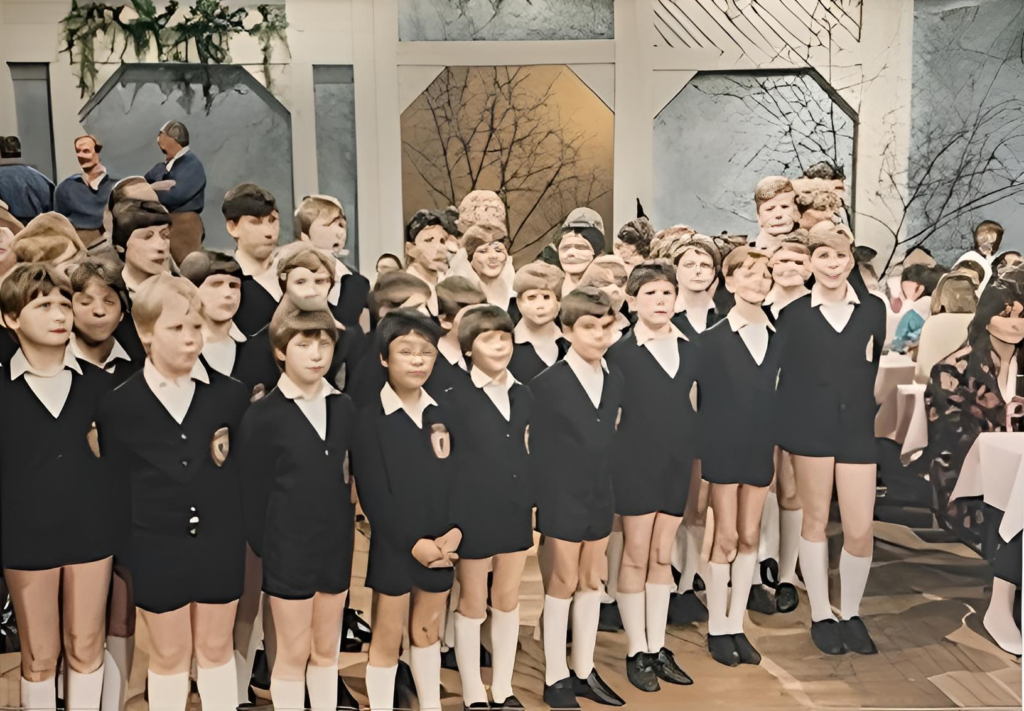
At times during Berlin’s anniversary year we performed several times in a single day. At HERTIE, the combination of heat, costumes, travel and constant activity became physically demanding. During one performance, the rows of roughly thirty-five boys began to thin as singer after singer had to leave the stage feeling unwell.
I was fortunate enough to remain.
Among the songs we performed was Uns’re Stadt hört doch nicht am Brandenburger Tor auf.
Even as the rows around us became visibly smaller, the song carried enormous emotional force.
We were singing about Berlin — away from Berlin — during the city’s 750th anniversary year.
You could feel what the song meant.
SIEGEN
SONNTAGSKONZERT AUF TOURNEE.
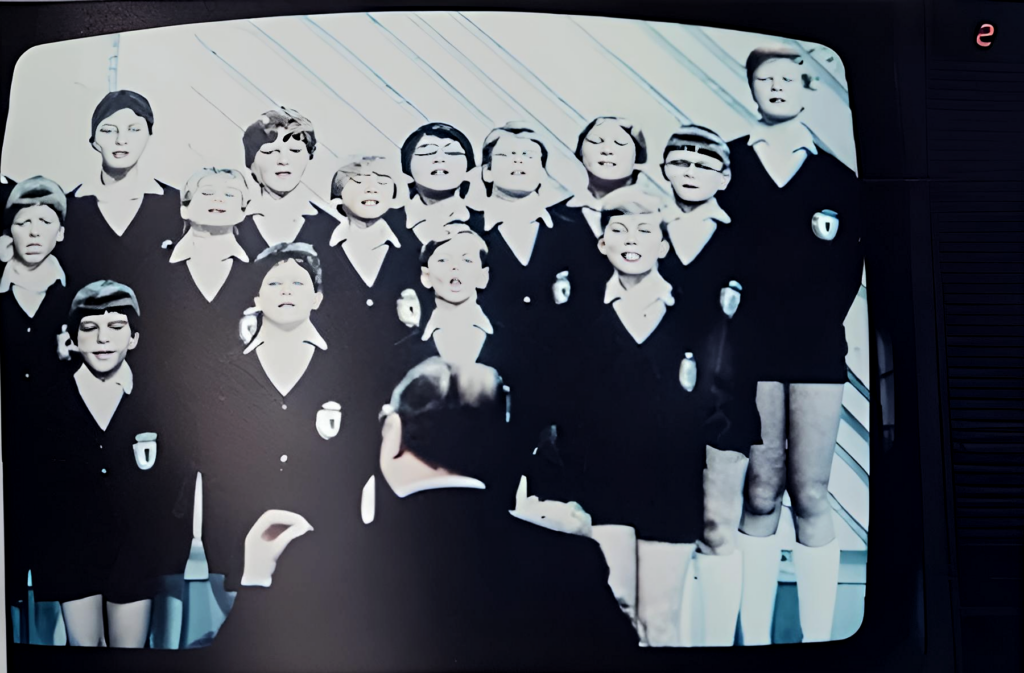
Another journey took us to the Siegerlandhalle in Siegen for Sonntagskonzert auf Tournee, presented by Elmar Gunsch.
It was another variation on the rhythm that had become increasingly familiar: travel, rehearsal, television, performance, photographs, waiting — and then back to Berlin.
DÜSSELDORF · 15 MARCH 1986
MUSIC, TELEVISION AND UNICEF.
One television journey stands apart.
We flew from Berlin-Tegel to Düsseldorf with British Airways for the final edition of Joachim Fuchsberger’s Auf Los geht’s los.
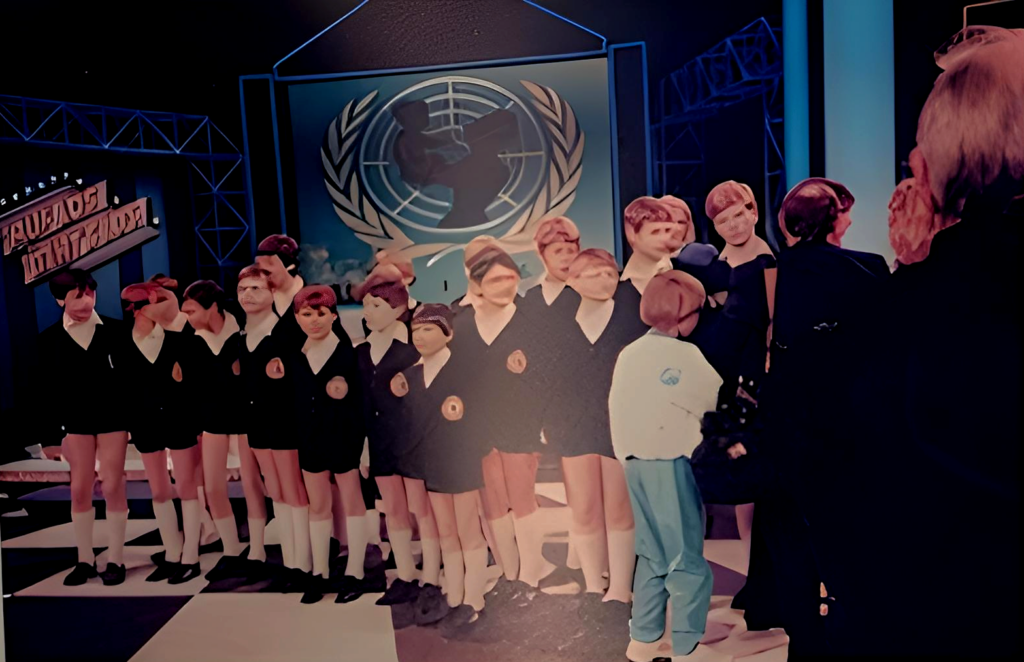
The programme was dedicated to UNICEF and brought together an extraordinary international group of artists and public figures.
Danny Kaye, UNICEF’s first Goodwill Ambassador, was there. So were Sir Peter Ustinov, Lionel Richie, Jennifer Rush, Peter Maffay and Marianne von Weizsäcker.
For us, the perspective was unusual: we were children ourselves, performing in a programme devoted to children, while representing Berlin on one of television’s largest stages.
Backstage became an education of its own.
I remember standing for a long time beside Marianne von Weizsäcker while she drew and caricatured. Many of the other boys were collecting autographs. I was fascinated by something else entirely: watching somebody draw.
Gerhard Hellwig eventually gave me one of those looks that clearly meant I should probably be somewhere else.
During rehearsals, Sir Peter Ustinov came over and greeted us. For me, meeting an actor I admired so much was unforgettable.
Around us moved an entire television world of performers, technicians, presenters, musicians, politicians and guests.
We stayed in a Bundeswehr barracks — an adventure in itself for a group of boys — and afterwards continued by coach to Betzdorf, where we performed with other choirs and stayed with local host families.
Once again, music had taken us somewhere we would never otherwise have gone.
And once again, we were carrying Berlin with us.
BERLIN · 1987
A YEAR IN MOTION.
Berlin’s 750th anniversary turned 1987 into an extraordinary year for the Schöneberger Sängerknaben.
There were periods when we performed several times in a single day. Concerts, television productions, public events, travel and special appearances followed one another in rapid succession.
For us boys, that meant discipline, responsibility and constant movement.
It also meant excitement, friendship, freedom — and money earned through music.
Berlin itself seemed to be in motion. The city celebrated everywhere: along the Ku’damm, through exhibitions, public art, performances and events that made culture visible throughout everyday life.
The choir was right in the middle of it.
We were travelling, singing, representing Berlin — and experiencing the city at one of its most vivid moments.
1987 became one of those rare years in which everything seemed to happen at once.
BERLIN · 12 JUNE 1987
THE CITY DID NOT END AT THE GATE.
For me, 1987 reached its emotional culmination at the Brandenburg Gate.
Throughout Berlin’s 750th anniversary year, the Schöneberger Sängerknaben had sung one of the choir’s defining songs:
Uns’re Stadt hört doch nicht am Brandenburger Tor auf.
Uns’re Stadt hört doch nicht am Brandenburger Tor auf
YouTube archive link
That line carried something much larger than a melody.
Berlin was divided, but its identity, imagination and hope did not end at the Wall.
On 12 June 1987, we sang that song as part of the musical programme surrounding President Ronald Reagan’s visit to Berlin.
I remember the crowds, the expectation, the extraordinary tension in the city — and the feeling that something larger than an ordinary performance was unfolding around us.
Berlin itself seemed transformed that year. The 750th anniversary had turned the city into a cultural stage: exhibitions, public art, performances, events and a Ku’damm alive with celebration.
And we, as a choir, were right in the middle of it.
I had watched Air Force One arrive at Tempelhof, close to where I lived.
Later, we stood in formation as part of the programme, meeting Chancellor Helmut Kohl, Governing Mayor Eberhard Diepgen and President Reagan.
Then came the speech.
“Mr. Gorbachev, open this gate.
Mr. Gorbachev, tear down this wall.”
At that age, I could not yet understand the full historical weight of the moment.
But I understood the atmosphere.
I understood the hope.
I understood what that song suddenly meant.
To stand there as a young singer, surrounded by thousands of people, performing Uns’re Stadt hört doch nicht am Brandenburger Tor auf in that exact place and at that exact moment still gives me goosebumps.
We were not watching history from a distance.
We were standing inside it.
Looking back, I feel proud and deeply grateful that I was allowed to be there — as part of the Schöneberger Sängerknaben, as a young Berliner, and as part of a moment that became part of history.
ARCHIVE DOCUMENT
SCHÖNEBERGER SÄNGERKNABEN · 12 JUNE 1987
A surviving letter sent to the parents of the choir members records the engagement in remarkably simple terms: the Schöneberger Sängerknaben had been invited to sing at the Brandenburg Gate during the visit of the American president, from 12 to 2 p.m. on Friday, 12 June 1987.
The letter even asks parents to arrange school release if no general exemption was granted.
A routine organisational document for what became anything but a routine day.
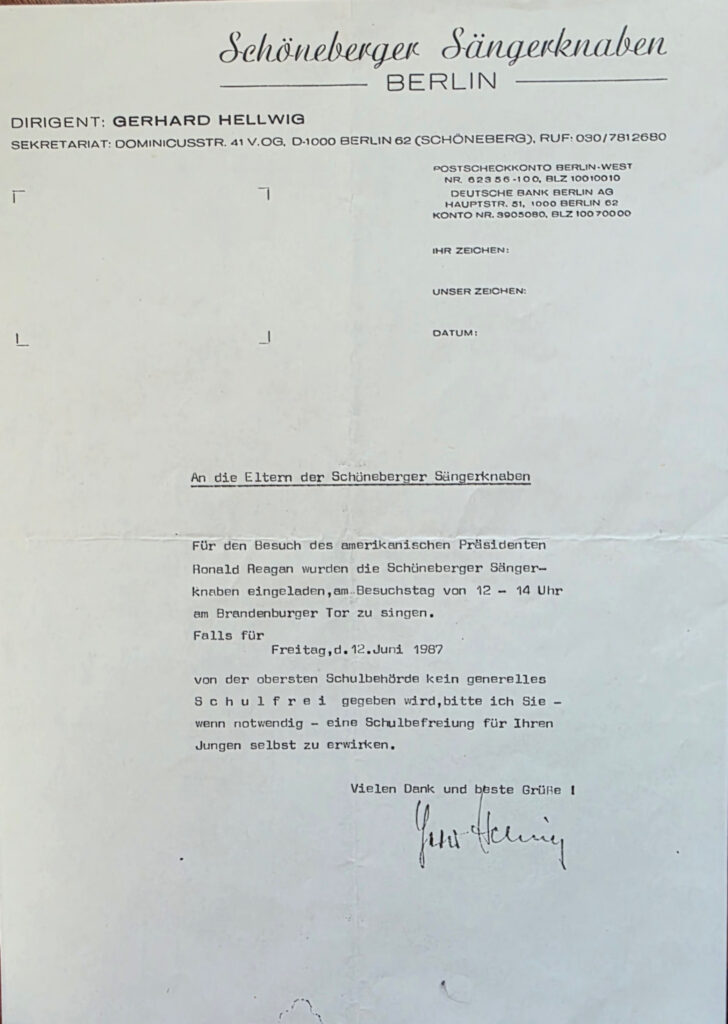
Schöneberger Sängerknaben · Brandenburg Gate · 12 June 1987 · Archive document
RECORDING ARCHIVE
RECORDED IN BERLIN.
My work with the Schöneberger Sängerknaben also included professional recording sessions at Hansa Studios in Berlin.
I sang on releases including Wir wollen Freunde sein für’s ganze Leben, 750 Jahre alt ist Berlin and 100 Jahre Kurfürstendamm. My voice also appears on the Beatles Medley preserved on the choir’s 50th-anniversary release.
The studio itself became part of the memory.
Hansa stood directly beside the Berlin Wall. Outside were the open spaces of the divided city; in the distance, the M-Bahn moved towards the Philharmonie.
Inside was another world: microphones, engineers, composers, musicians — and the concentration required to make a recording work.
The same studio complex became part of international recording history through artists such as David Bowie, U2, Depeche Mode and Alphaville.
For me, however, it was first of all a workplace.
A place where music stopped being temporary and became something that could remain.
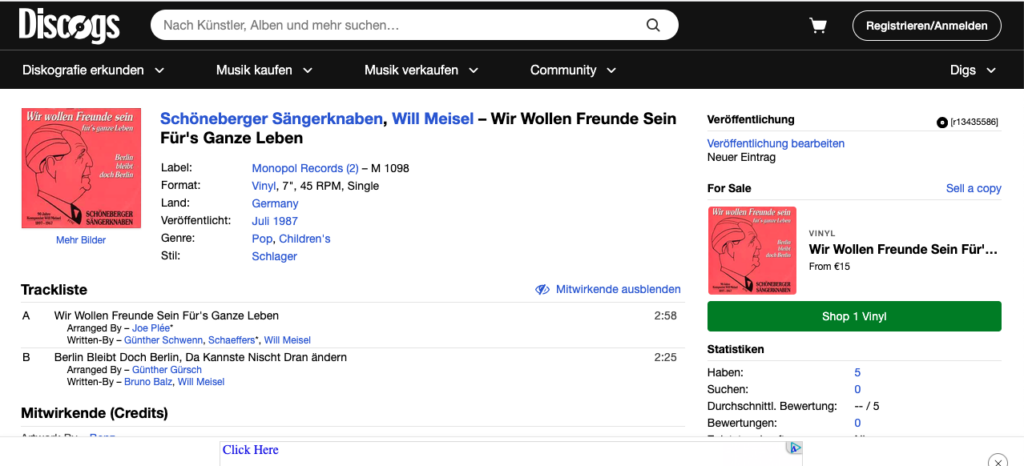
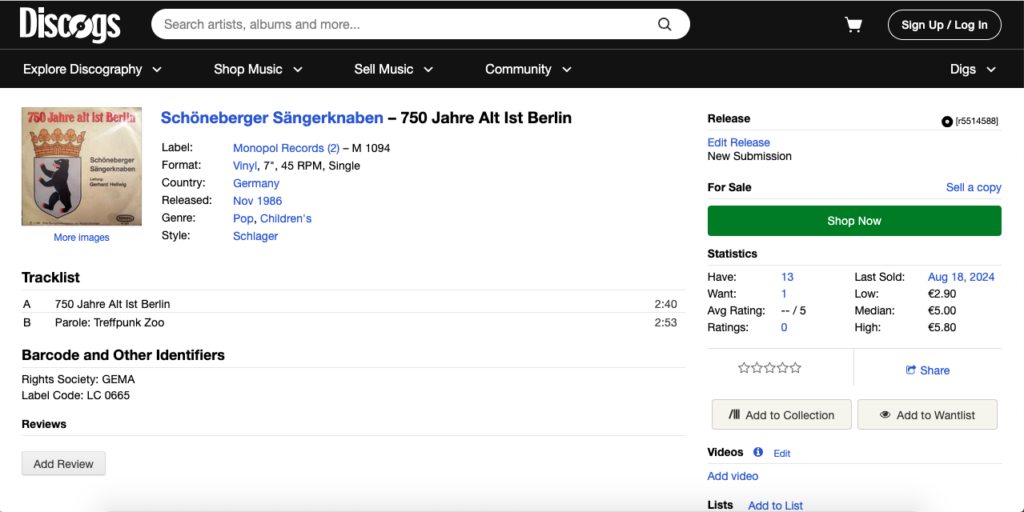
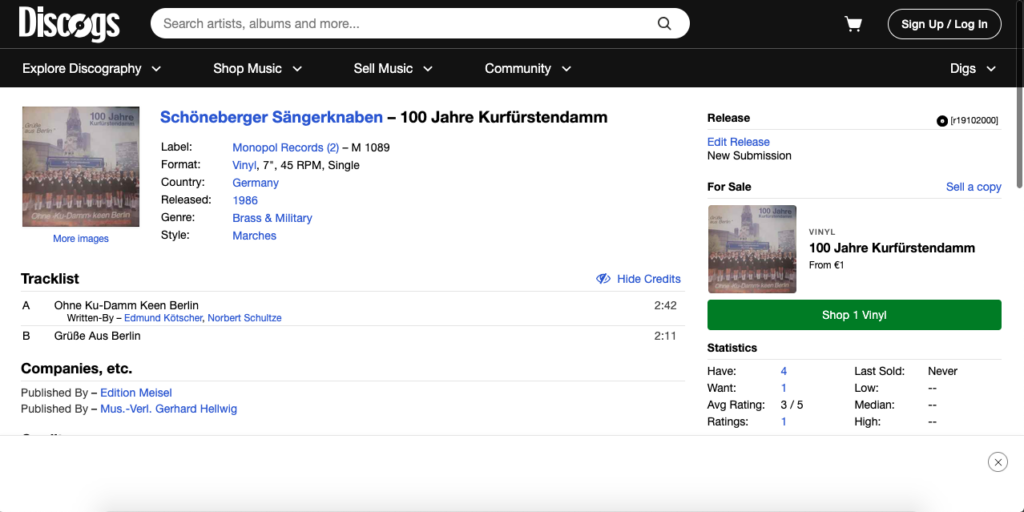
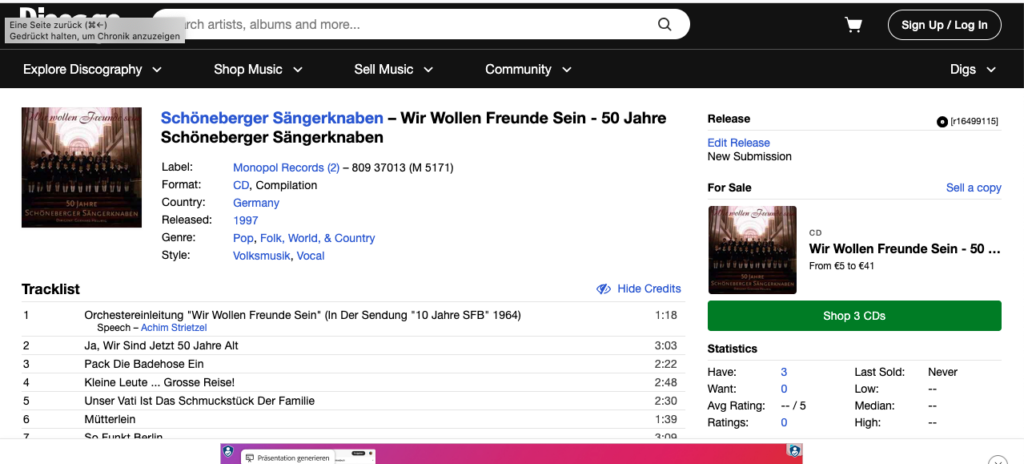
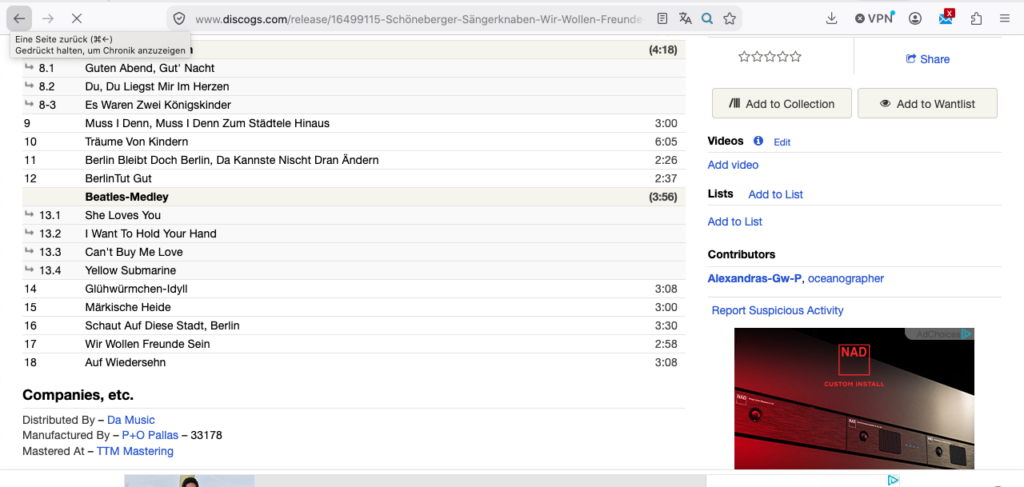
Beatles Medley · Schöneberger Sängerknaben · 50th-anniversary release
GRATITUDE
WHAT MADE IT POSSIBLE.
Looking back, none of these experiences would have been possible without the people who made the Schöneberger Sängerknaben function with extraordinary reliability.
My deepest thanks go to Gerhard Hellwig and the Hellwig family, who organised an astonishing range of concerts, tours, television productions, opera engagements, recordings and public appearances — and somehow made it all work.
Again and again.
Behind the choir stood many helping hands: people such as Herr Engelhardt, Frau Stahn and others who supported rehearsals, travel, costumes, logistics, communication and the countless details required to move a large group of boys through a professional schedule.
Gerhard Hellwig also had an exceptional network across television, music, entertainment and public life. Those connections opened doors. But what mattered just as much was the discipline and organisation that allowed the choir to walk through them professionally.
The Schöneberger Sängerknaben existed alongside famous choral traditions such as the Wiener Sängerknaben, Regensburger Domspatzen and Thomanerchor — but to me, they belonged to a very different world.
Our sound was unmistakably Berlin.
Direct. Lively. Sometimes cheeky. Sometimes cool.
And yet the same choir could stand in the Deutsche Oper Berlin, work within major classical productions and move naturally between popular repertoire and serious musical contexts.
That combination shaped me deeply.
The names, the stages and the journeys were extraordinary.
But the greater lesson was simpler:
Music is made by people.
And long before I had a word for the music business, I had already learned its most important principle:
Music Business is People’s Business.
AUTONOMY
FROM EXPERIENCE TO STRUCTURE.
The Schöneberger Sängerknaben had shown me how professional music worked from the inside.
University gave me another set of tools.
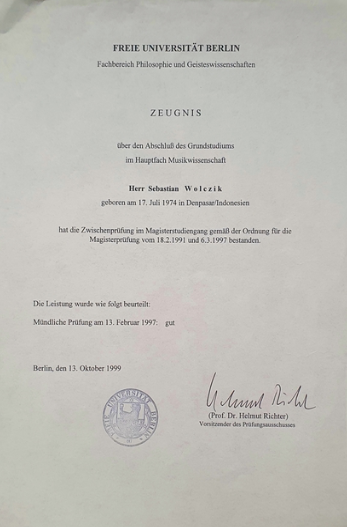
At Freie Universität Berlin, I studied musicology alongside business administration, marketing and law.
The subjects seemed separate on paper.
To me, they increasingly belonged together.
I became interested in a question that was rarely discussed at the time:
What if the artist is also an entrepreneur?
Not simply someone who creates work and waits for structures to appear — but someone who understands how those structures are built.
ARCHIVE INSERT POSSIBLE HERE
University / study material / early documents if suitable.
THINKING ACROSS DISCIPLINES
THE ARTIST AS ENTREPRENEUR.
Musicology gave me ways of understanding repertoire, history, cultural context and artistic practice.
Business administration, marketing and market research introduced questions of audiences, positioning, economics and organisation.
Law made contracts, rights and institutional structures tangible.
Entrepreneurship added another idea:
structures themselves could be invented.
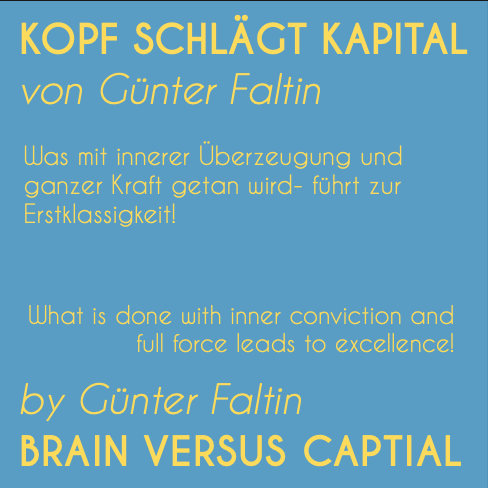
The thinking of Professor Günter Faltin was particularly influential. Entrepreneurship did not have to begin with large capital. It could begin with a concept.
At the same time, my academic work was increasingly connecting music with questions of identity, communication and public perception.
With Professor Peter Wicke, I explored popular music and wrote extensively about the image of Michael Jackson and the development of the performer into an artistic figure.
I began developing the idea for a larger academic project under the working title:
The Artist as Entrepreneur and Economic Entity.
This was long before artist entrepreneurship became a familiar part of music education.
PEOPLE
IDEAS NEED OTHER PEOPLE.
Thomas Anker approached me one day in the cafeteria of the business faculty.
We recognised one another from musicology courses with Professor Albrecht Riethmüller and started talking.
Those conversations never really stopped.
Thomas became a close friend and one of the people who would repeatedly accompany my work across design, recording, production and artistic development.
Another important connection came through musicology.
At the Universität der Künste, I studied Indonesian music and gamelan with ethnomusicologist Professor Artur Simon.
Through that environment, I met his son, composer Art-Oliver Simon, a Boris Blacher Prize recipient.
Art-Oliver and I began discussing something very practical:
Where could music, performance, experimentation and different artistic disciplines actually happen?
And why wait for someone else to provide the space?
ARCHIVE INSERT POSSIBLE HERE
Thomas Anker / Art-Oliver Simon / university material.
FIRST COMPANY
BLAUBETON KULTURETAGE.
Art-Oliver had created a composition cycle called Blaubeton.
The name stayed.
I contributed Kulturetage.
Together, we founded BLAUBETON Kulturetage — my first company.
We found approximately 110 square metres in an old industrial complex near the former TRO Kabelwerke in Berlin-Oberschöneweide.
At the time, the area had a very different character.
Old brick industrial architecture.
Workshops.
Artists’ studios.
The Spree.
A district somewhere between decline, nostalgia and possibility.
It felt right.
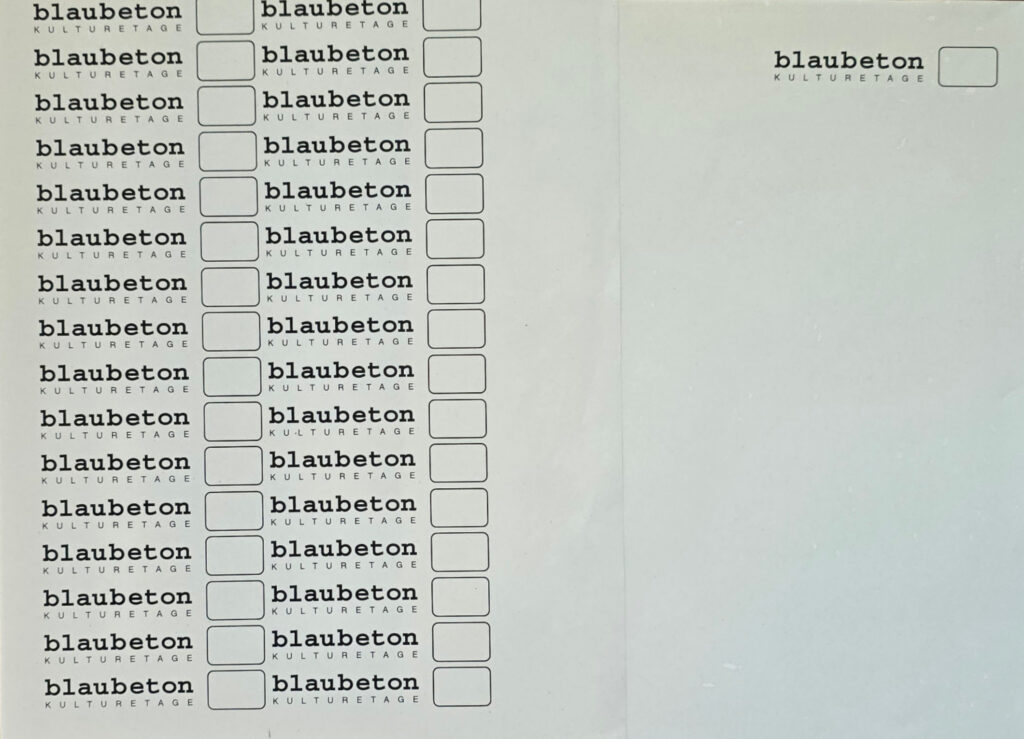
BLAUBETON Kulturetage · Early corporate design and letterhead · c. 1998
BUILDING THE SPACE
THE ROOM BECAME PART OF THE WORK.
We did not want a conventional stage at one end of a rectangular room.
The performance should happen in the centre.
From theatre storage, we acquired curved, tiered seating platforms that could be arranged almost like a small arena around the performance area.
We painted them blue.
The stage floor became blue.
The large wall carried the name:
BLAUBETON
in blue.
Brass chairs with red velvet came from another theatrical fundus.
Industrial glass partitions divided parts of the room.
A small bar and separate area completed the space.
Stage lighting came from above.
Later, we rented a Boston grand piano from Steinway & Sons.
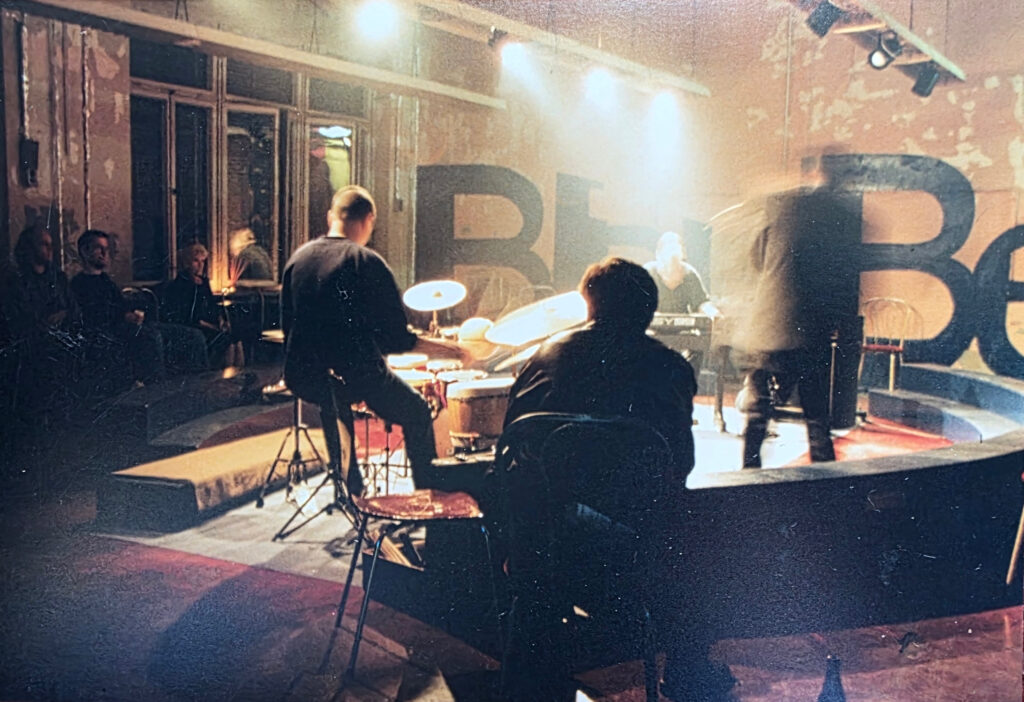
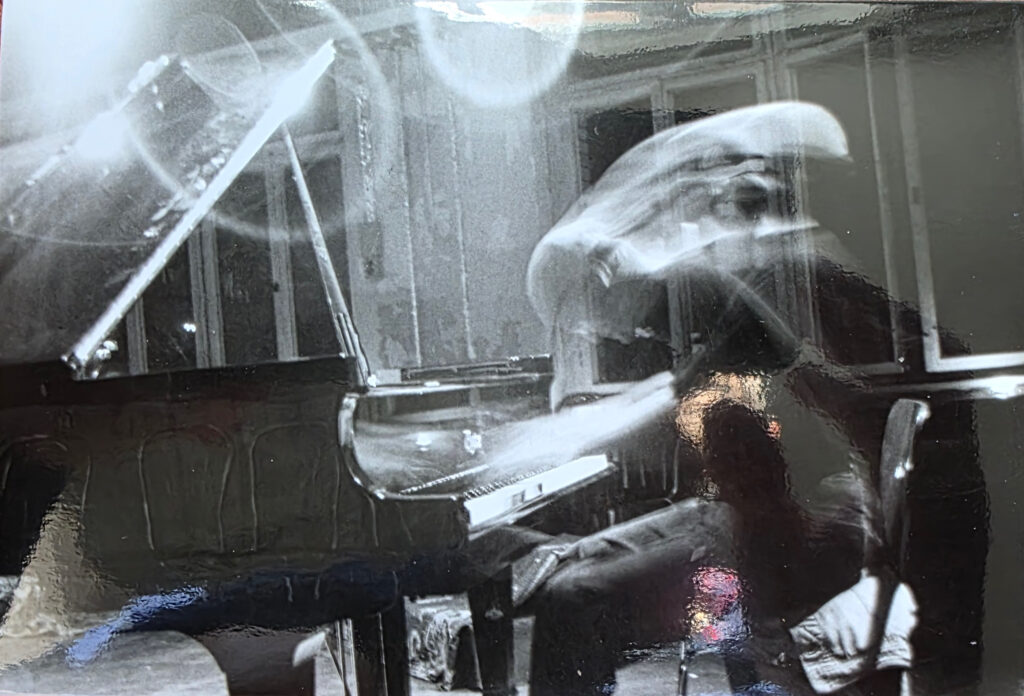
The industrial room had become an artistic environment.
APPLIED KNOWLEDGE
THE THEORY BECAME OPERATION.
BLAUBETON was where the different parts of my studies stopped existing separately.
Economics became budgeting.
Marketing became audience development, flyers, monthly programmes and communication.
Accounting became real numbers.
Law became contracts, permissions and commercial responsibility.
Planning became schedules, rehearsals, technical coordination and logistics.
Event management meant bringing artists, audiences, equipment, timing and space together so that an evening could actually happen.
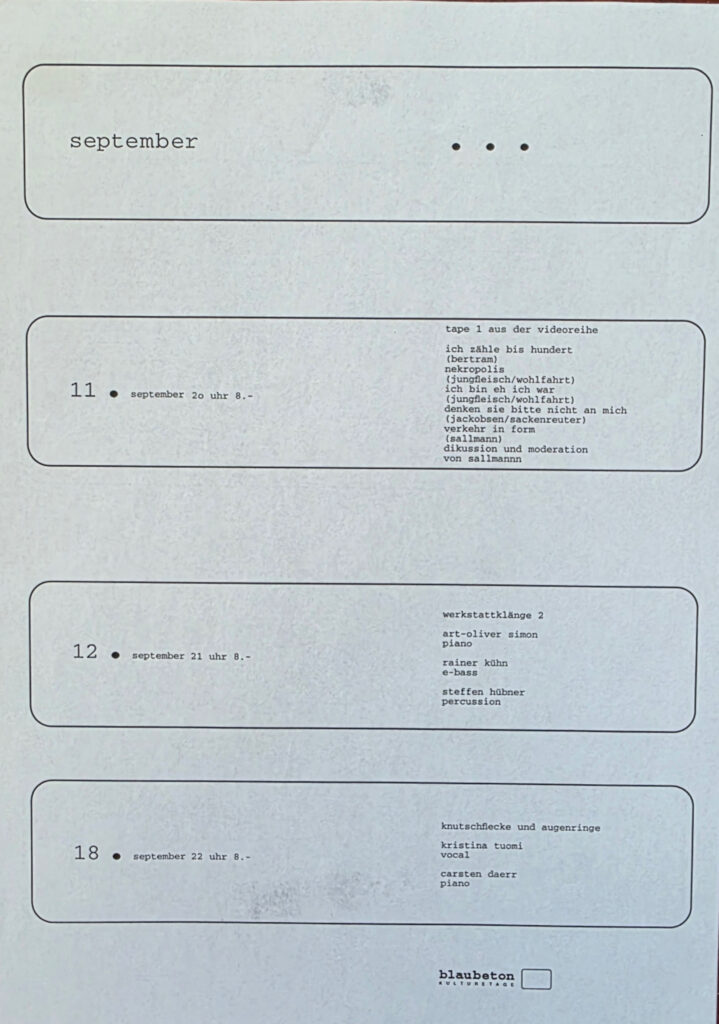
And the artistic programme itself crossed disciplines:
music, contemporary composition, jazz, song, dance, literature, film, visual work and experimental performance.
Nothing existed in isolation.
Every artistic idea had an operational consequence.
Every operational decision affected the artistic experience.
That became one of BLAUBETON’s most important lessons:
Creative freedom needs structure.
PROGRAMMING
DIFFERENT FORMS. ONE SPACE.
BLAUBETON became a laboratory.
Art-Oliver developed his Werkstatt Klänge series.
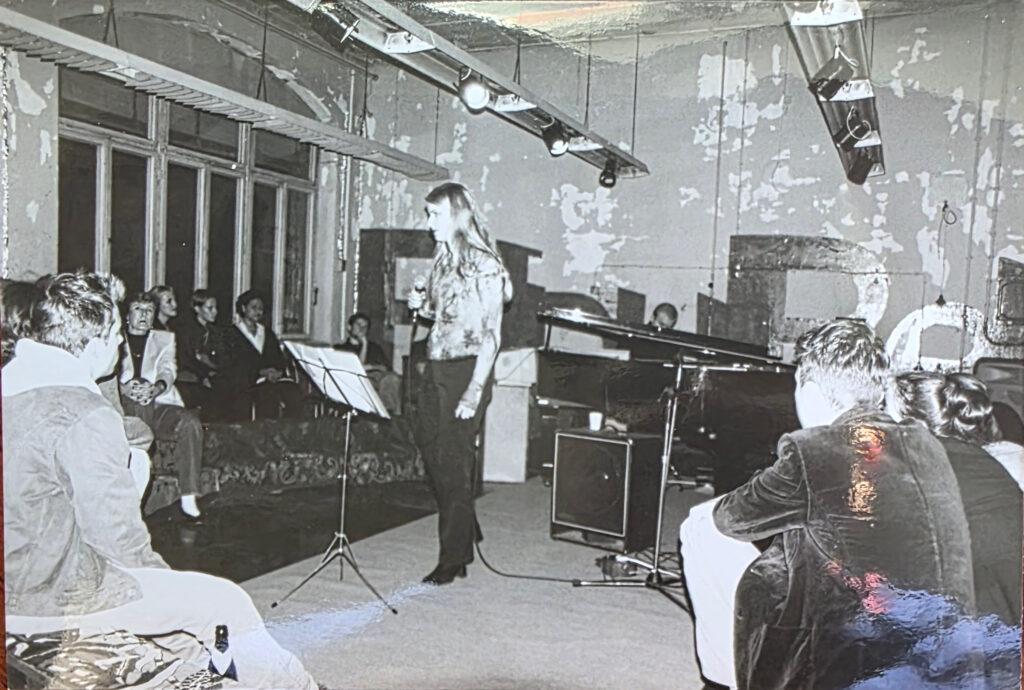
There were concerts, readings, dance performances, film evenings, club nights and performances by invited artists.
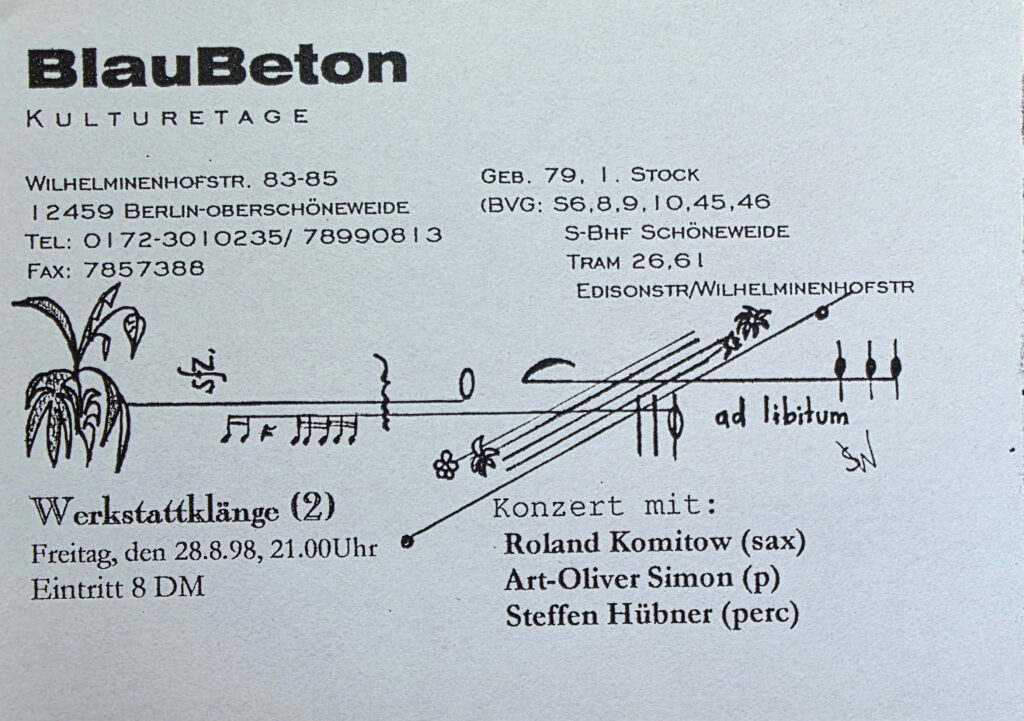
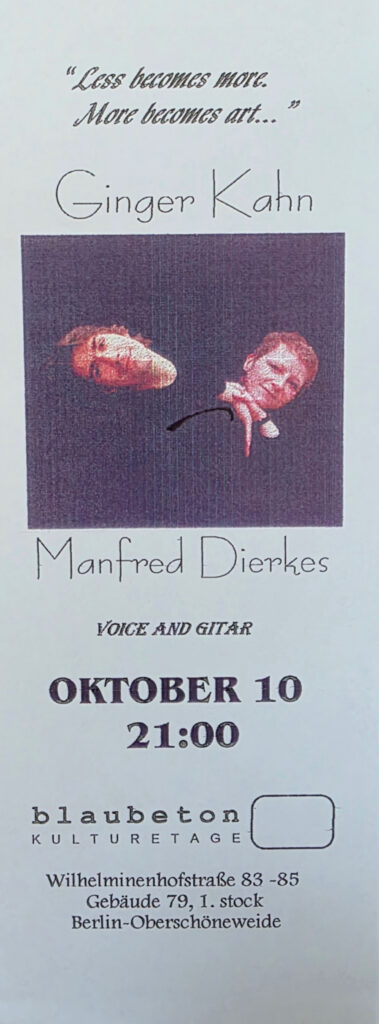
My Canadian vocal coach and mentor Ginger Kahn performed there with guitarist Manfred Dierkes.
Singer-songwriter Kristina Tuomi appeared there.
Musicians, composers, filmmakers and performers entered the programme from different artistic directions.
What interested us was not genre.
It was what could happen when artists had a room in which to work.
COMMUNICATION
THE PROGRAMME HAD TO FIND ITS AUDIENCE.
Creating events was only half the work.
People had to know they existed.
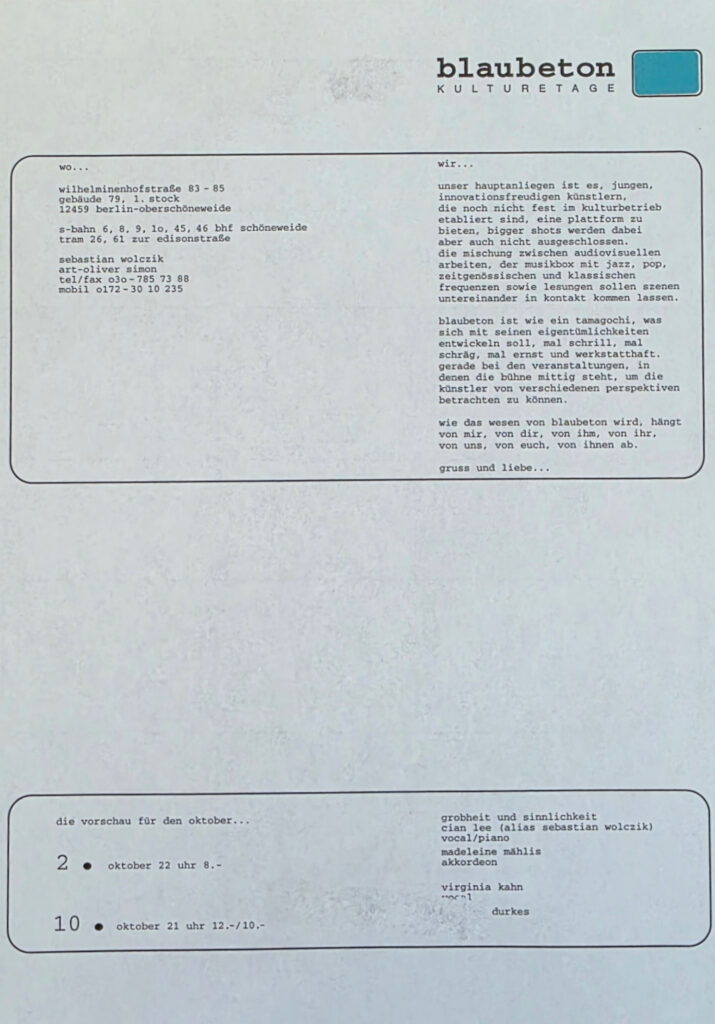
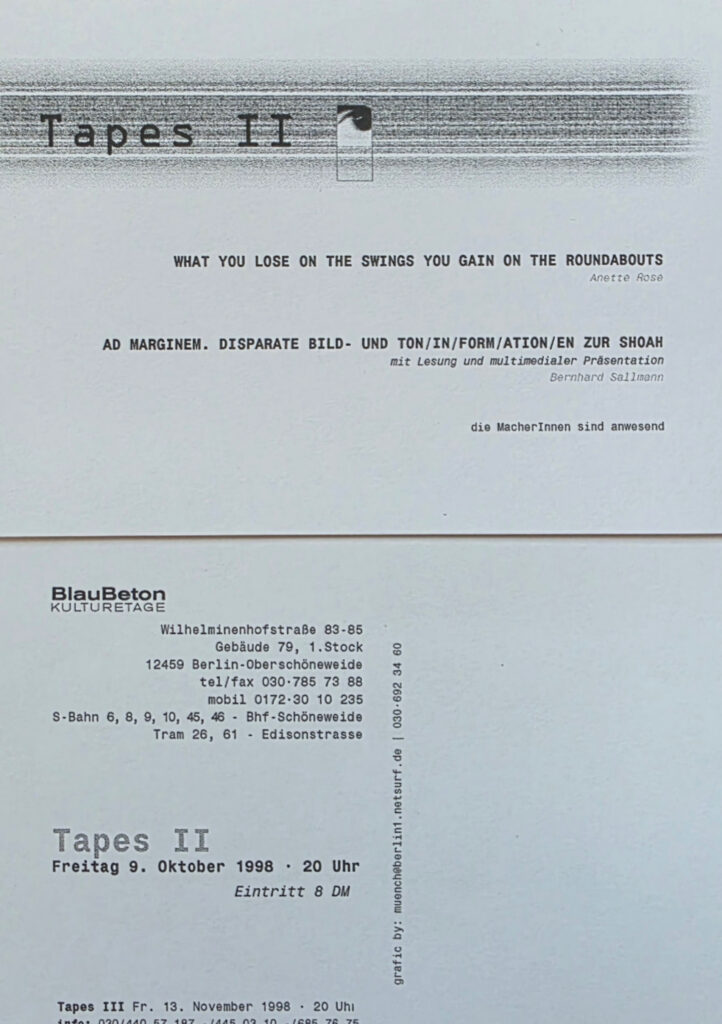
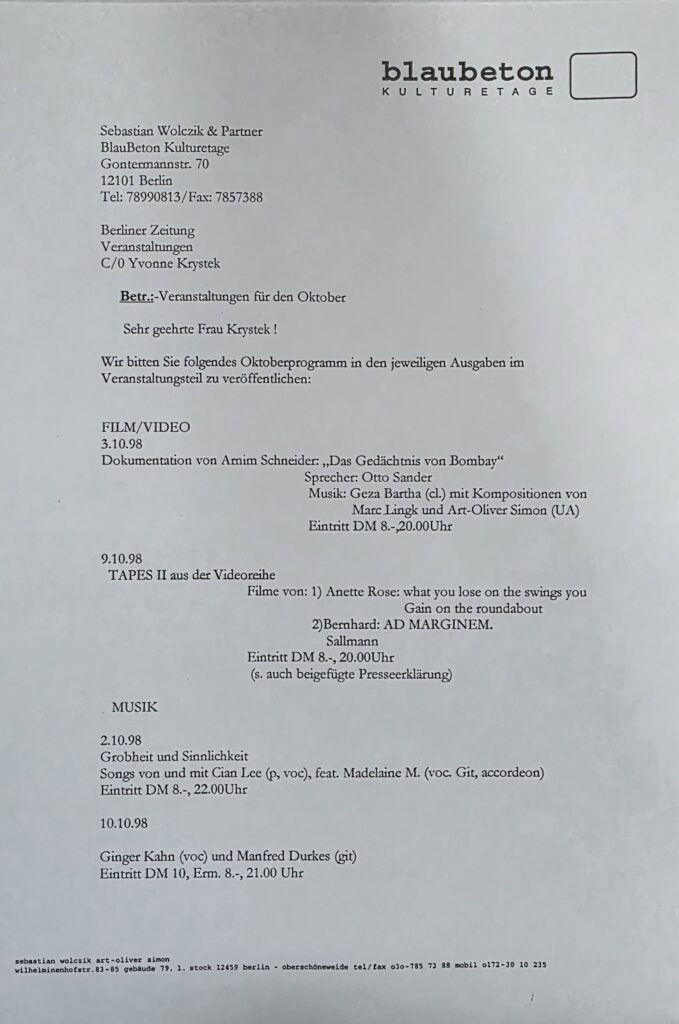
We designed flyers, produced monthly programmes, had them printed inexpensively and distributed them ourselves.
We contacted newspapers and sent programme information directly to cultural and listings editors.
· BLAUBETON Kulturetage · October 1998
A surviving letter to the Berliner Zeitung documents this very practical side of BLAUBETON: dates, admission prices, participating artists and a request for the events to be included in the newspaper’s listings.
Marketing was no longer a university subject.
It was something that had to bring people through the door.
IDENTITY
BUILDING A BRAND BEFORE I CALLED IT ONE.
BLAUBETON also needed a visual identity.
A Romanian graphic designer contributed the basic corporate-design idea: a black outlined square with rounded corners that could carry a blue insert.
The system was simple, inexpensive and flexible.
BLAUBETON Kulturetage became recognisable.
The same visual language appeared across stationery, stickers, flyers and monthly programmes.
I also designed and drew promotional material myself.
· Heritage archive
The space, programme, printed material and communication began to operate as parts of one identity.
Long before I used the language of brand architecture, that was what we were building.
CIAN LEE
THE FIRST ARTIST NAME.
BLAUBETON also became the place where I began performing under my first artist name:
Cian Lee.
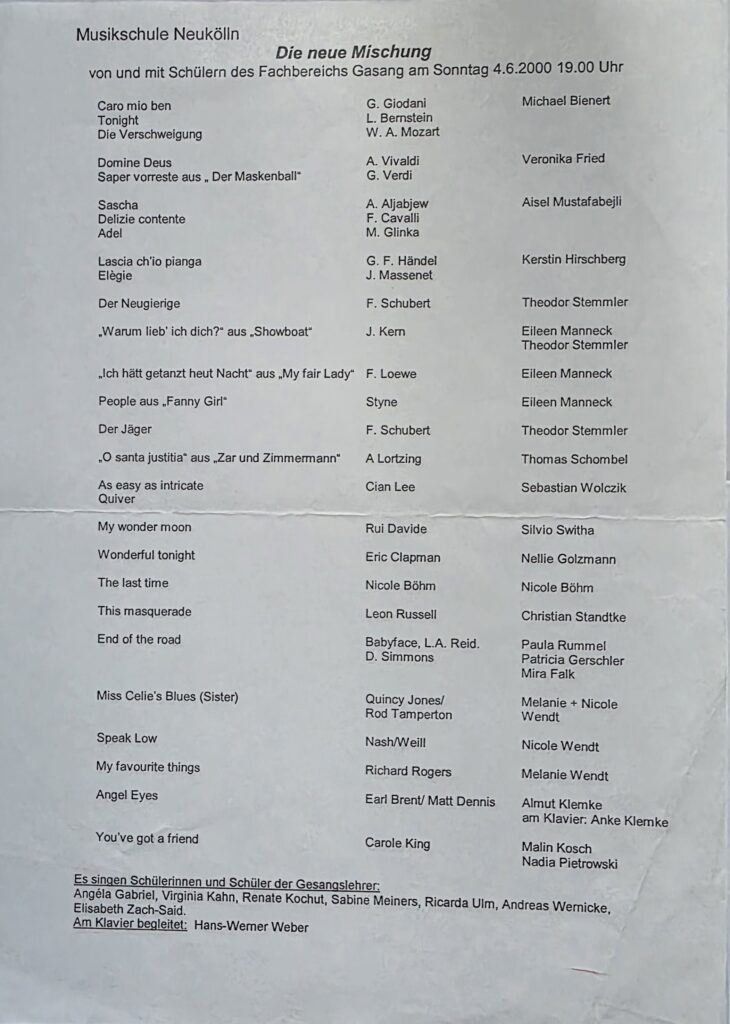
an early public appearance of the name Cian Lee
as songwriter and composer.
“Cian” came from an Irish name associated with Kilian.
“Lee” came from my mother’s family name.
It was the beginning of an artistic identity that would later continue through Kian Lee Convention and eventually Bastian Lee Jones.
EARLY RECORDINGS
BEFORE THE ALBUM.
Recording had already begun before grossness & carnality.
With recording engineer Rolf Blaszejack, I made early sessions at the piano and stage piano, working through cover songs alongside my own material.
The surviving cassette masters contain a repertoire in development:
standards, pop songs and original songs existing side by side.
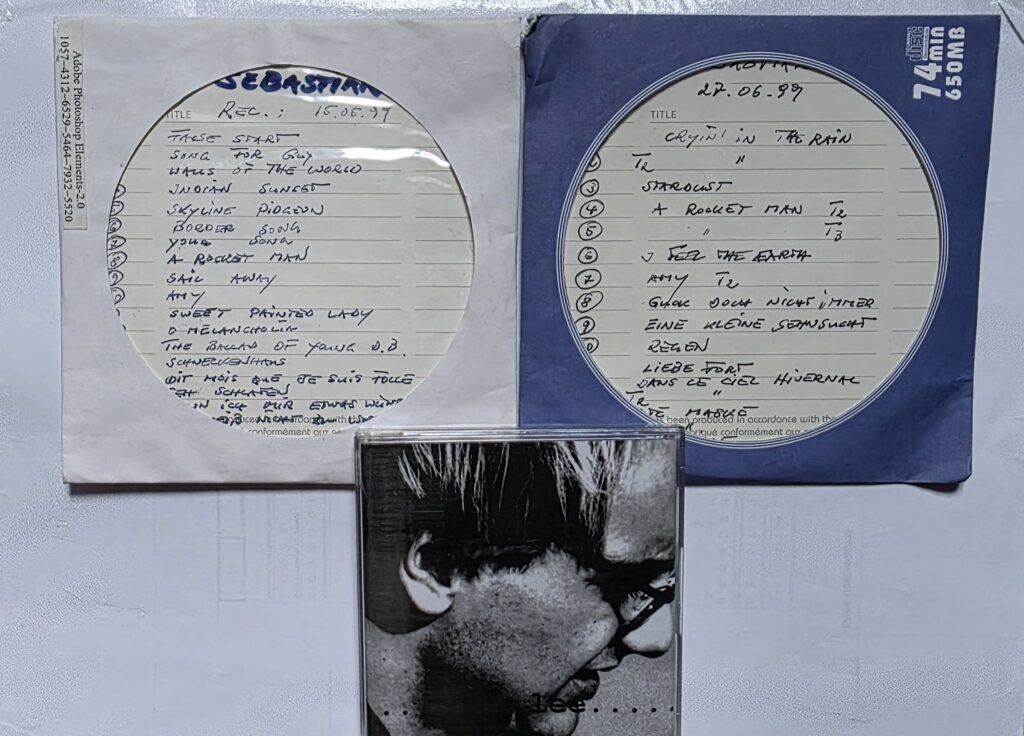
These were not yet releases.
They were working documents.
A young artist learning what happened when performance was captured, replayed, evaluated and developed further.
Recording changed the relationship to music.
A performance disappeared.
A recording could remain.
FIRST SOLO CONCERT
GROSSNESS & CARNALITY.
My first solo concert at the grand piano took place at BLAUBETON under the title grossness & carnality.
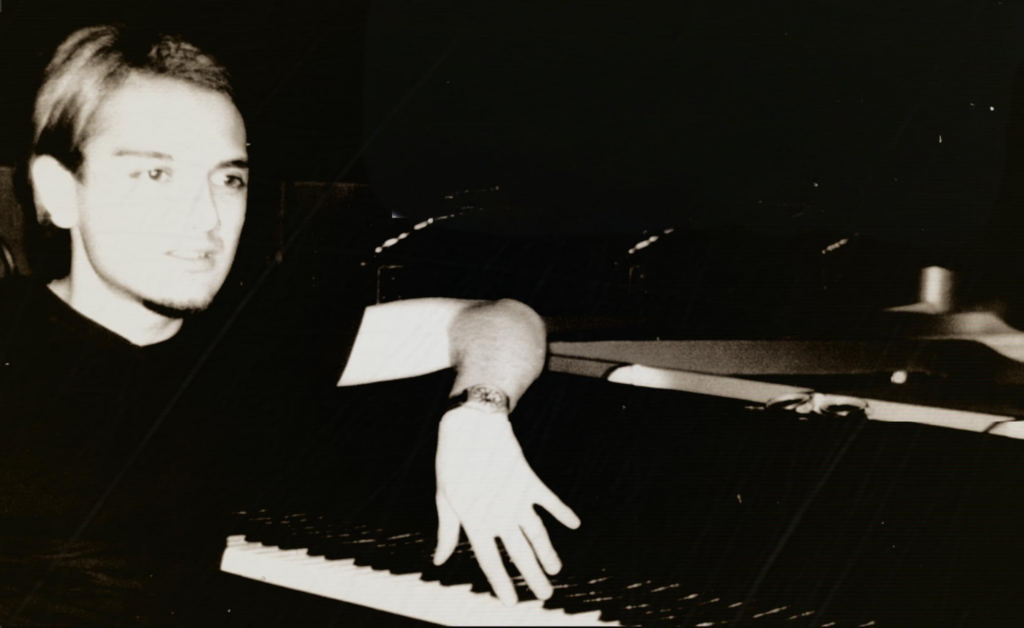
The programme moved between songs by Elton John, Carole King, Tom Waits, David Bowie and Randy Newman, alongside my own early songs and compositions.
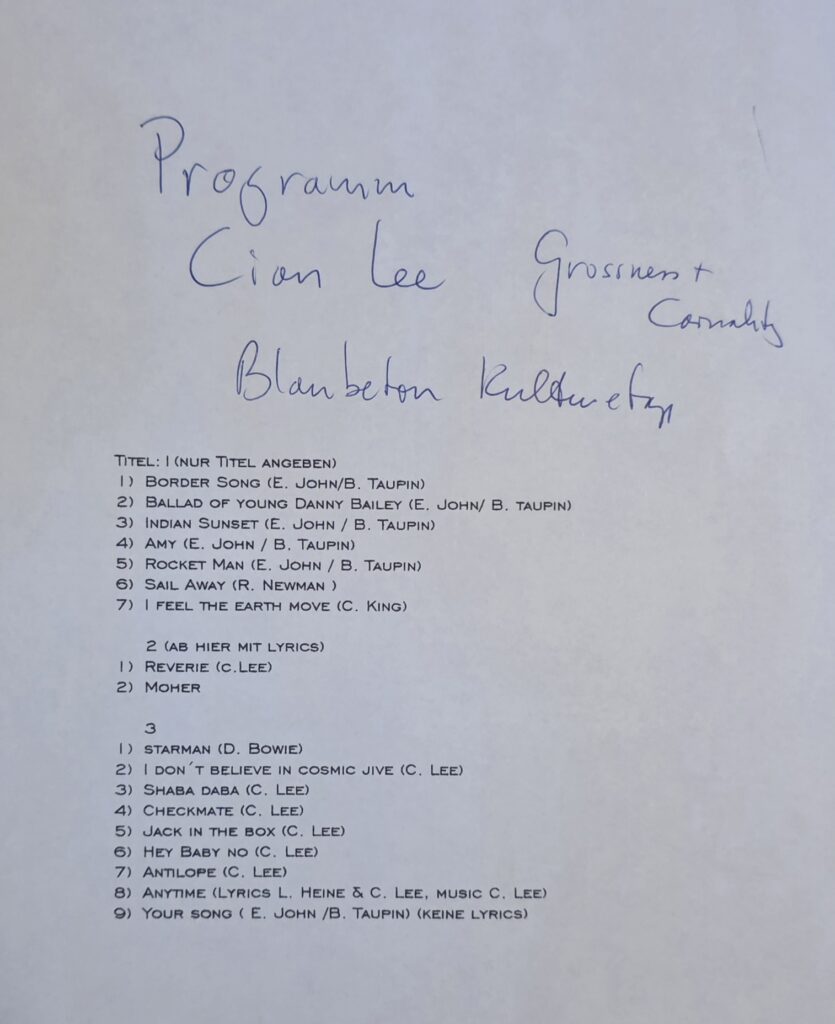
It was a decisive moment.
For the first time, the space I had helped build became the setting for my own identity as a solo artist.
After the concert, I remember being tired, relieved and happy.
The room was still there.
The piano was still there.
But something had changed.
I had stepped onto my own stage.
FROM PERFORMANCE TO RECORDING
GROSSNESS & CARNALITY.
Thomas Anker immediately thought beyond the concert itself.
He organised and financed a live recording.
Marco Dannemann handled the recording engineering.
Thomas designed the artwork, supervised the production and arranged for the material to be mixed and mastered.
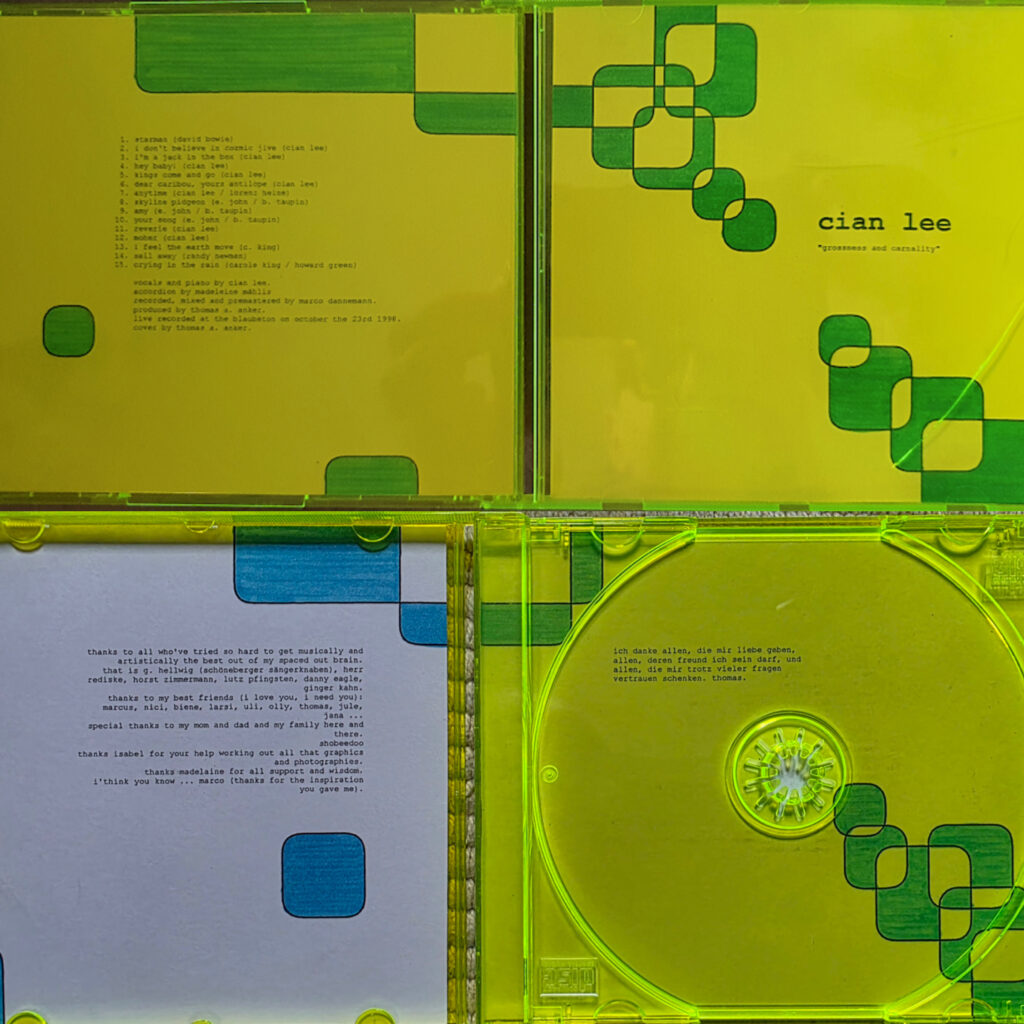
The resulting album,
Cian Lee · grossness & carnality
combined interpretations of songwriters who had shaped me with my own early songs and compositions.
It was never commercially released.
But the recording remained.
ORIGINAL MUSIC
CIAN LEE · DEAR CARIBOU! & REVERIE.
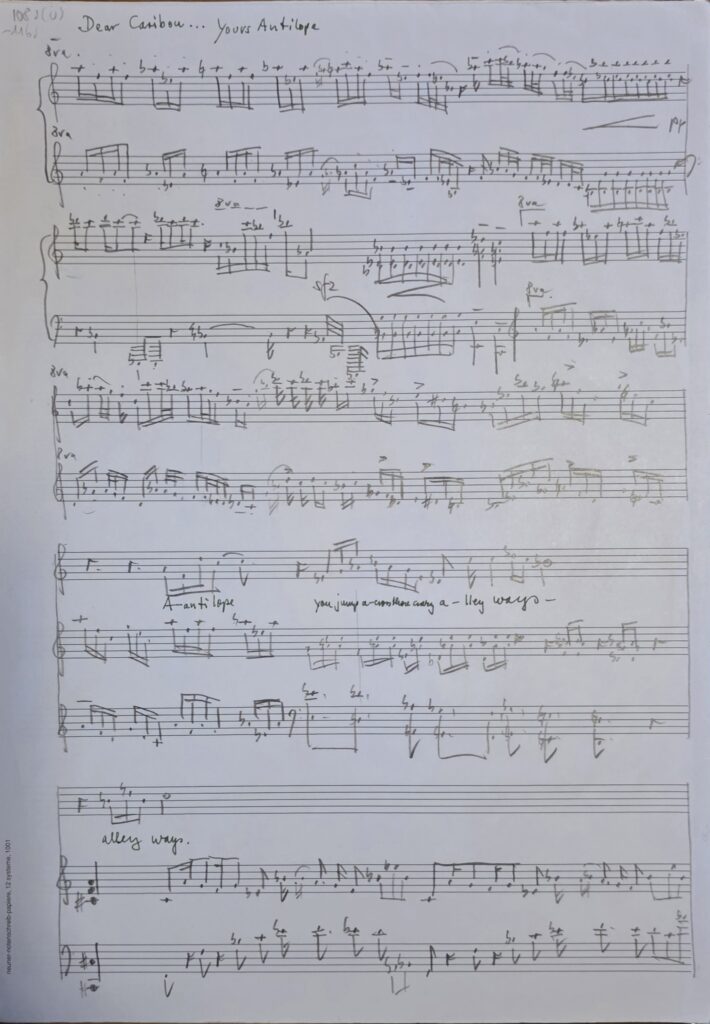
Among the original material from this period was Reverie, one of my early piano compositions.
It belongs to the same phase in which I was developing my first artist identity, writing my own repertoire and learning how performance could become recorded work.
BLAUBETON was not simply where I performed.
It was where performance began to leave an archive.
INDEPENDENCE
SELF-FUNDED FROM THE BEGINNING.
Alongside university and BLAUBETON, I continued my piano and vocal training.
I financed it myself.
Teaching music, tutoring German, English and French, and taking on other work allowed me to pay for lessons, studies, artistic projects and everyday life.
That independence mattered to me.
If I wanted training, equipment, a project or more time for music, I had to create the means to make it possible.
At the same time, I was studying, working, training as a musician and helping to run an independent cultural space.
There was no separation between artistic development and economic reality.
Both had to work.
FROM PERFORMANCE TO WORK
ONE THING LED TO THE NEXT.
Then one performance created the next opportunity.
After my Cian Lee concert, Matthias Schuricke — who would become my future music-school director — offered me a teaching position at HAPPY MUSIC.
The fee was 35 Deutsche Mark per hour.
At the time, that was an excellent professional rate.
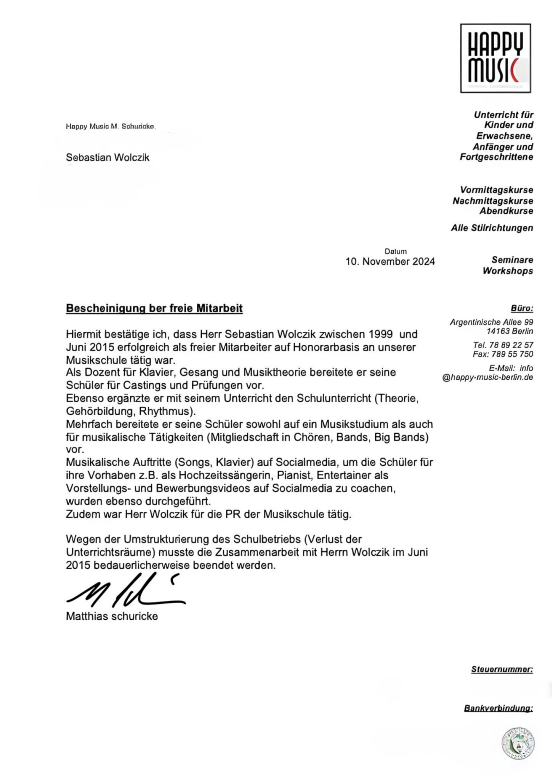
More importantly, a self-produced concert had led directly to professional paid work in music.
And that became a pattern:
one thing led to the next.
COMPOSITION
THE WORK CONTINUED.
The Cian Lee identity did not end with BLAUBETON.
Music-school programmes from the following years document my continuing work as a singer, pianist and composer.
By 2000, pieces including As Easy as Intricate and Quiver appeared in a public programme under the name Cian Lee.
The artist identity was becoming more than a concert name.
It was becoming a body of work.
BUSINESS REALITY
NOTHING HAPPENS BY ITSELF.
Running BLAUBETON also meant dealing with everything that audiences usually never see.
Artists had to be booked.
Fees and revenue shares had to be negotiated.
Admission prices had to be calculated.
Drinks created additional income.
That meant permits and the practical requirements of serving them.
There was accounting.
There were contracts.
There was printing.
There was publicity.
There was equipment.
There were rehearsal schedules.
There was cleaning.
There was heating.
Winter was particularly unforgiving in an old industrial building.
We used radiant heaters to keep the room usable.
Running an artistic space meant constantly moving between creativity and calculation.
The work on stage depended on work that happened long before anyone entered the room.
BUSINESS REALITY
SUCCESS CHANGED THE RENT.
The audience grew.
Artists began approaching us.
Eventually, applications arrived not only from Berlin, but from countries such as the Netherlands and Belgium.
The activity became visible.
So did its commercial potential.
The landlord increased the rent dramatically.
Under a commercial lease, the economics of the space no longer worked.
BLAUBETON had to close.
My first company ended because of something remarkably ordinary:
a commercial lease.
It was an early lesson in the fragility of independent cultural spaces.
Artistic success does not automatically create economic sustainability.
WHAT REMAINED
THE STRUCTURE SURVIVED THE SPACE.
The room disappeared.
The experience did not.
BLAUBETON had taught me that artistic independence depended on more than artistic ability.
It required space.
Organisation.
Contracts.
Communication.
Audiences.
Economics.
Design.
Technology.
And people.
It gave me my first company, my first artist identity, my first solo concert, my first live recording and one of my first opportunities to apply everything I had been learning across music, business, law and communication.
Art-Oliver also left me with another piece of advice.
He encouraged me to write simple, quiet piano compositions — direct, melodic pieces that could exist beyond the room in which they were created.
I listened.
That advice would become more important than either of us could have known at the time.
CONTINUITY
ONE THING LED TO THE NEXT.
A performance led to a teaching job.
Teaching led to communication and organisation.
Communication led to radio.
Radio led to interviews.
Interviews led to video.
Video led to production.
Production led to LebenslustTV®.
The artist identity developed further into Bastian Lee Jones.
Music and rights led to EARMErecords.
Media, production and brand work expanded into further structures.
The names changed.
The scale changed.
The principle did not.
One thing led to the next.
KIAN LEE / KIAN LEE CONVENTION
ARTIST IDENTITY
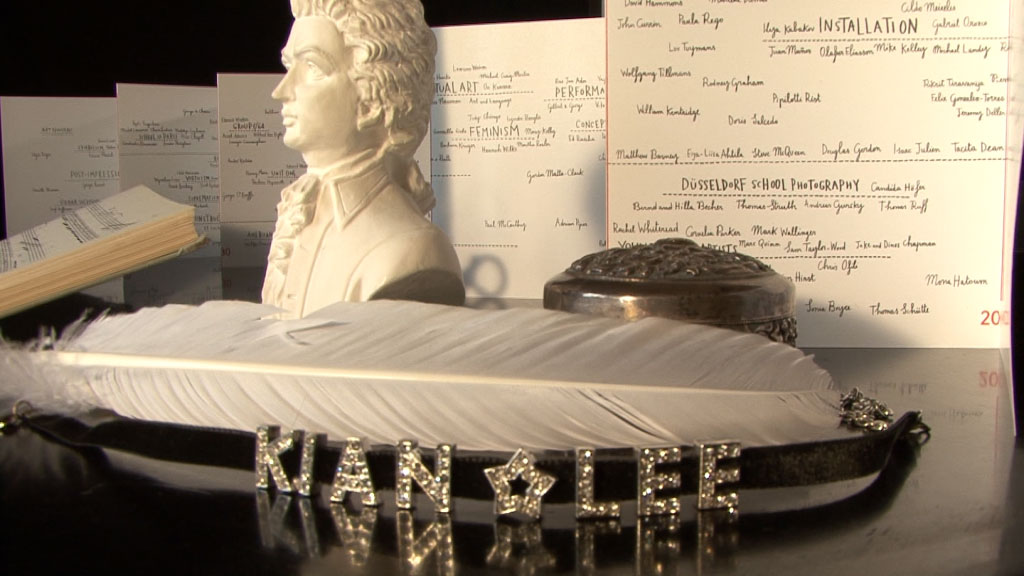
FROM CIAN LEE TO KIAN LEE.
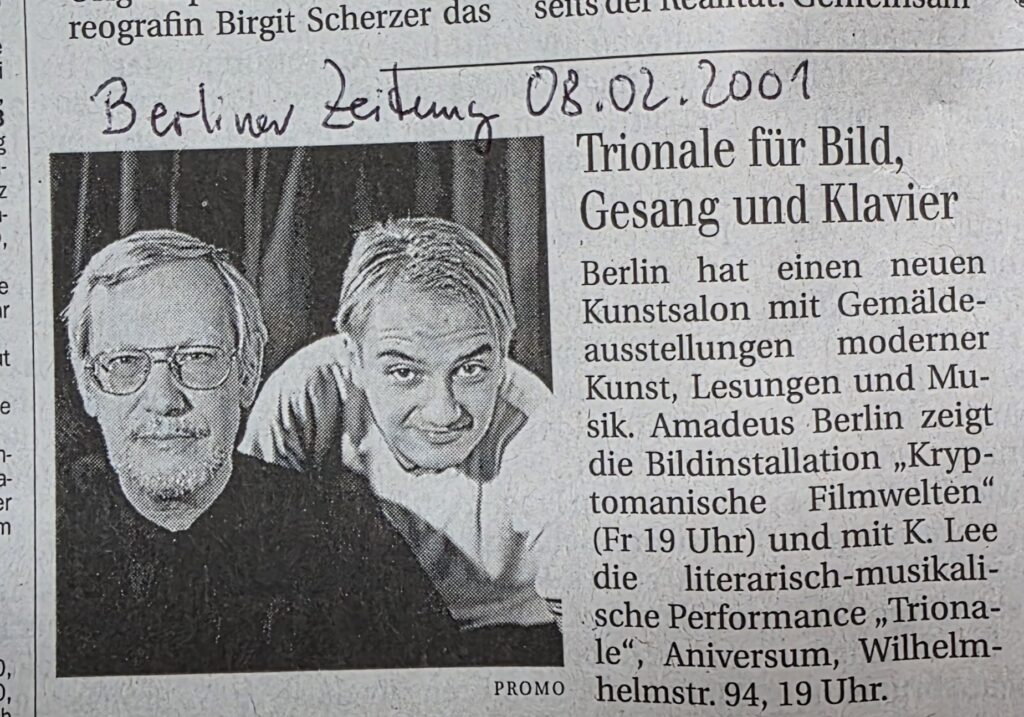
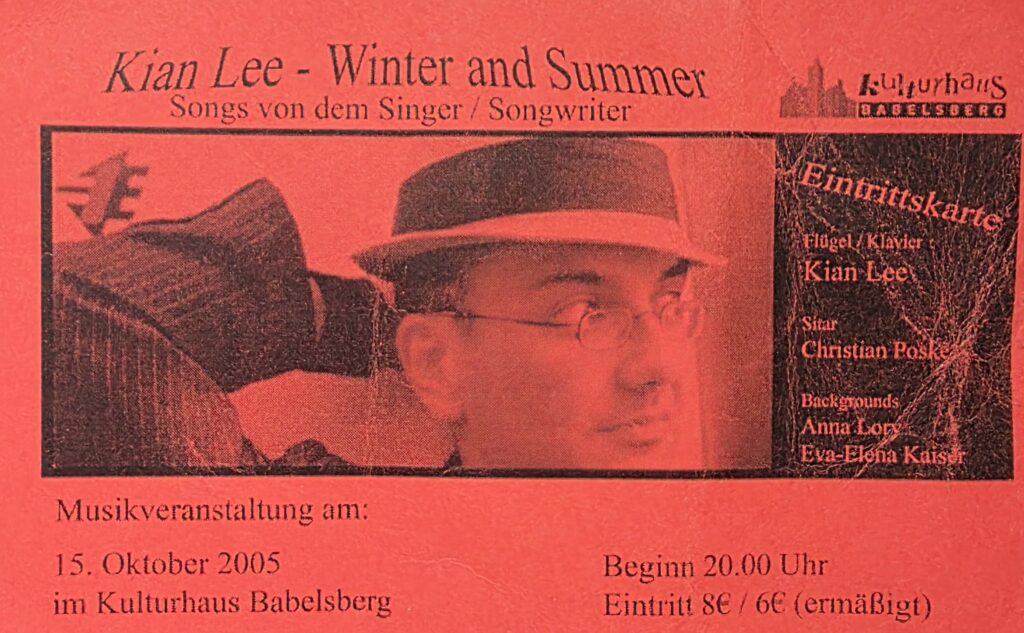
What began under the name Cian Lee gradually became Kian Lee.
People often associated “Cian” with something Chinese without my realising at first that Kian was already part of my mother’s Chinese name, Lee Kian Eng. I turned it around into Kian Lee.
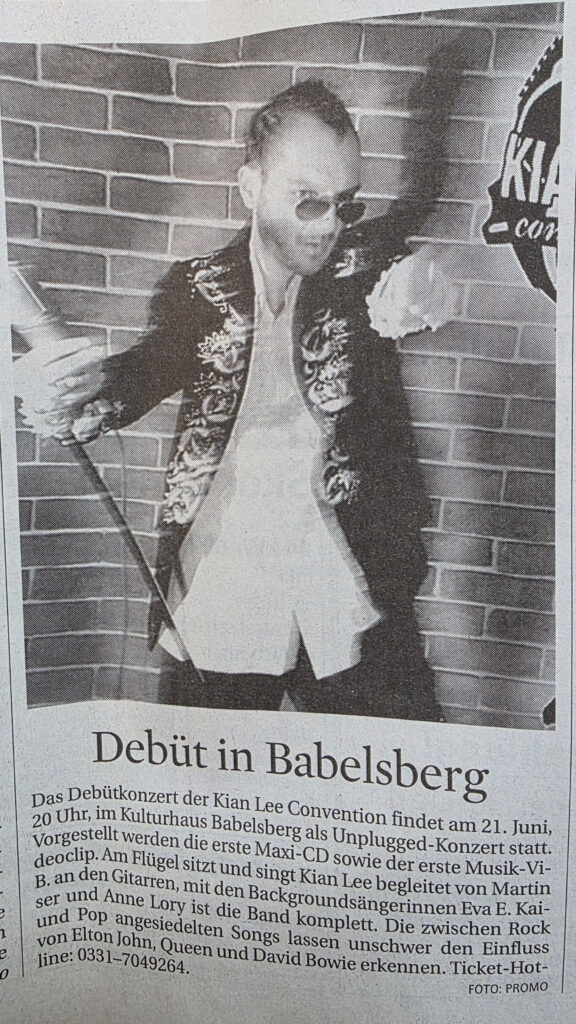
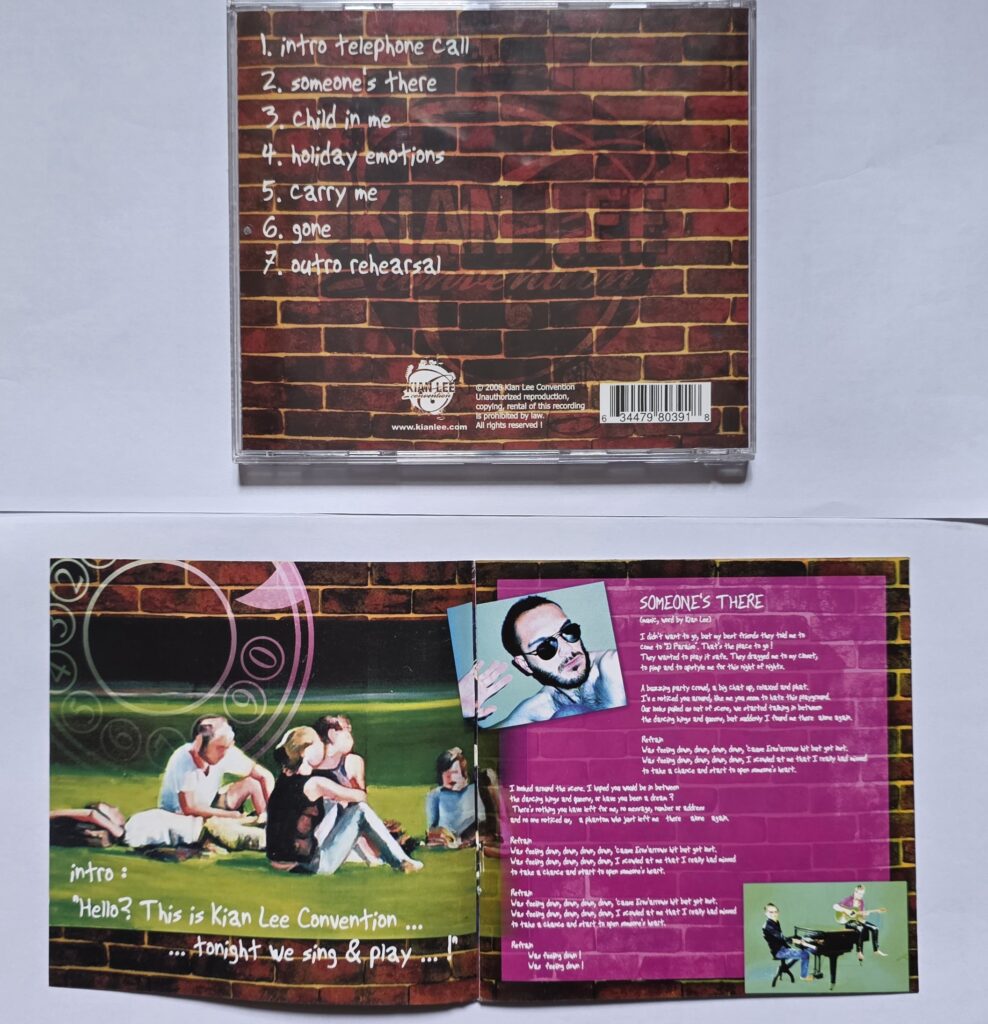
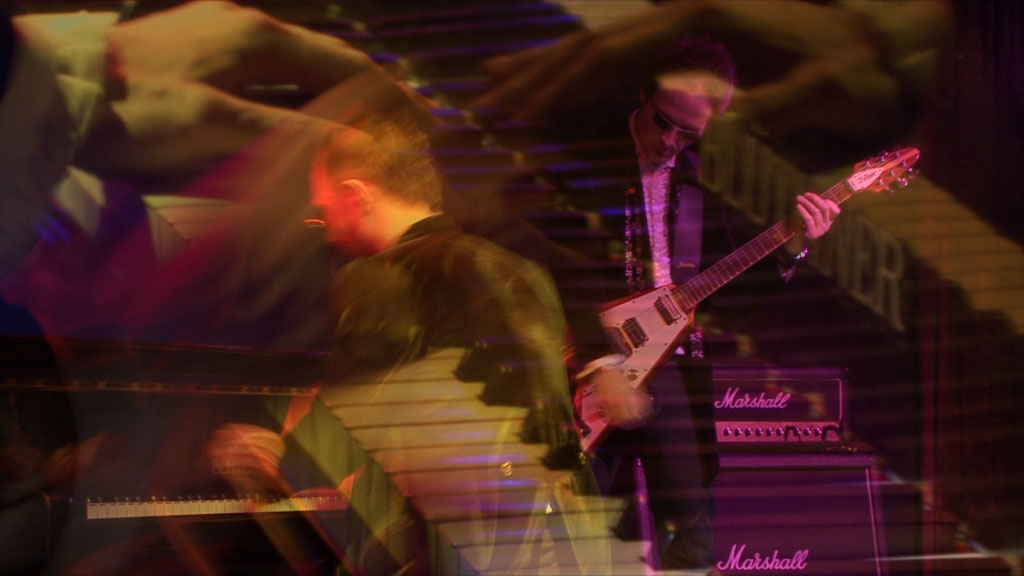
The solo identity later expanded into Kian Lee Convention — a wider music and media project combining songwriting, studio production, live performance, visual identity and film.
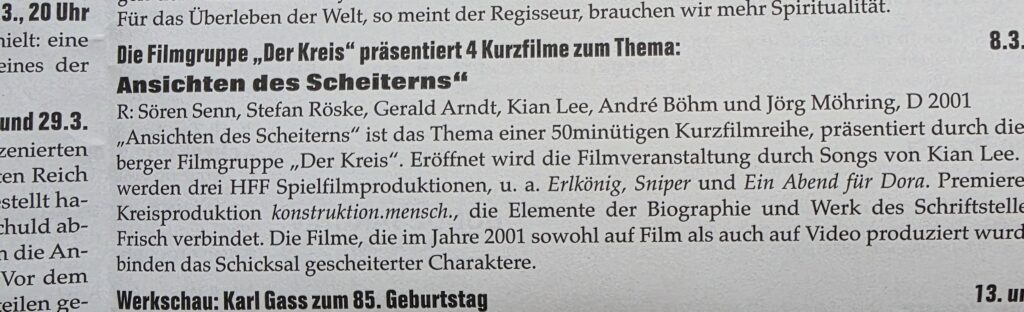
In 2001, the film-school context became more concrete: I was commissioned by the Hochschule für Film und Fernsehen Potsdam-Babelsberg to compose and produce music for the short film Erlkönig.
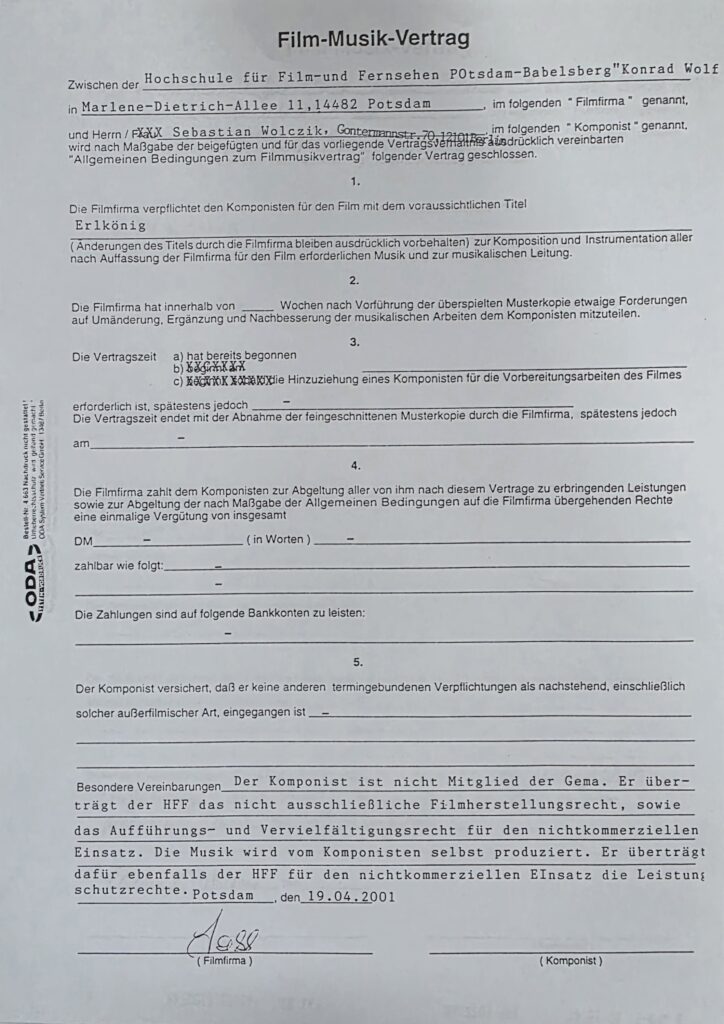
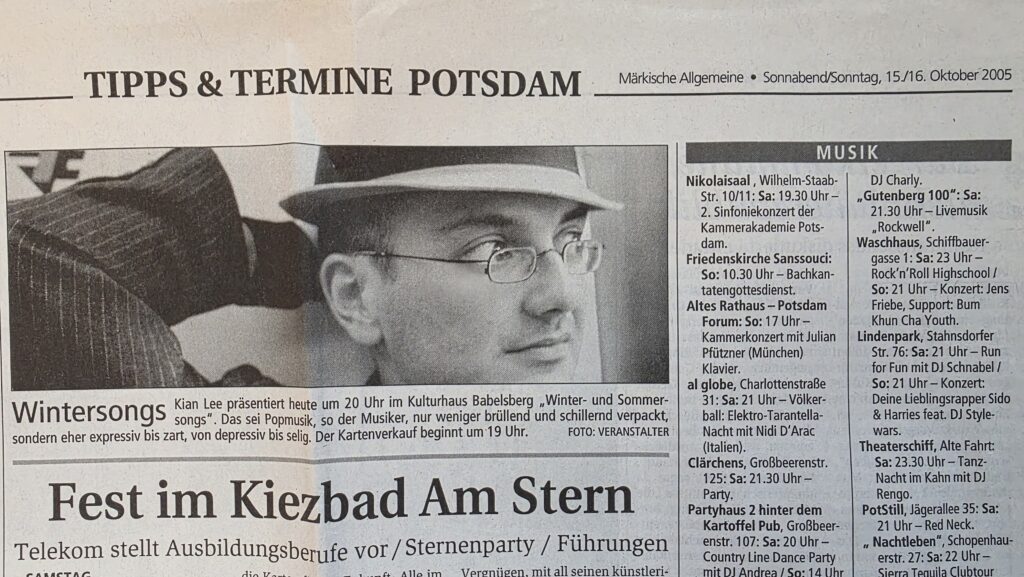
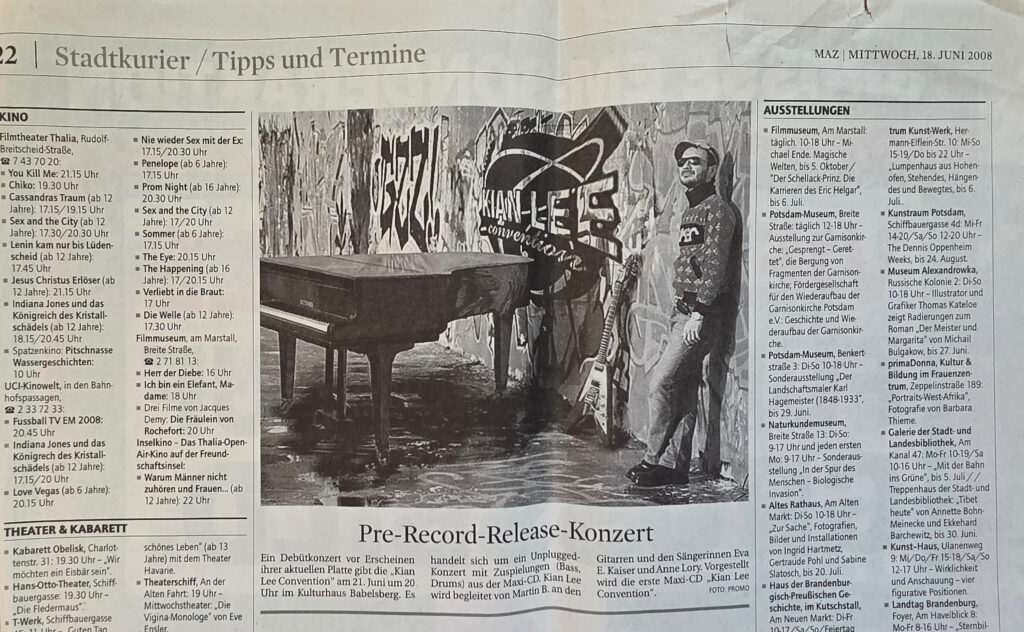

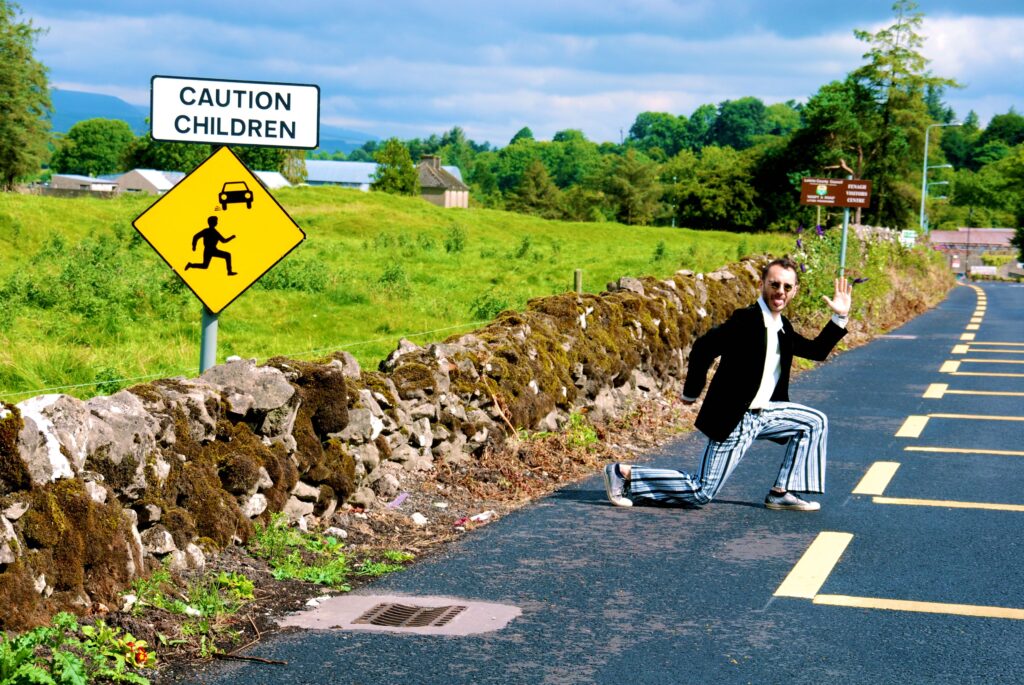
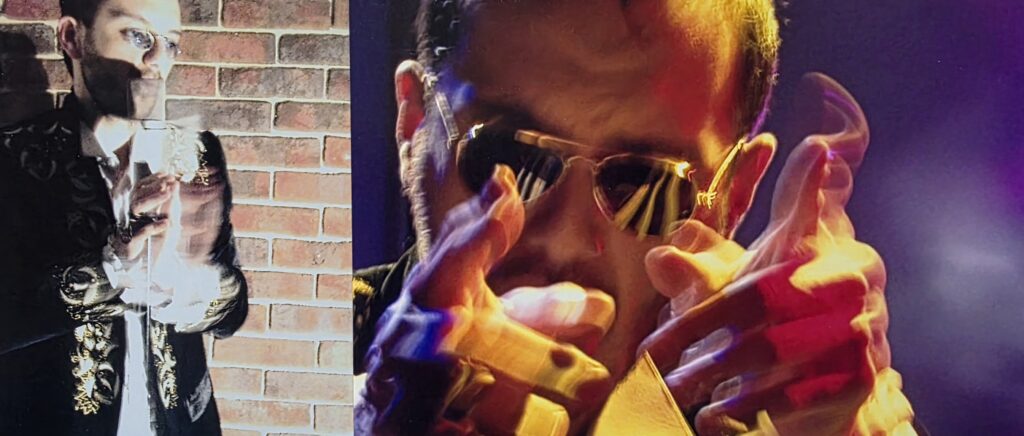
With producer Martin Brehl, cameraman Mönchsleben and an aspiring actress, I travelled to Ireland to film scenes for a planned concept-album project.
The project was intended to connect songwriting, recording, character, image and film into one artistic world.
During the Ireland shoot, the line between staging and public perception briefly dissolved: the actress was treated like a celebrity, while I was mistaken for rock star Pete Doherty.
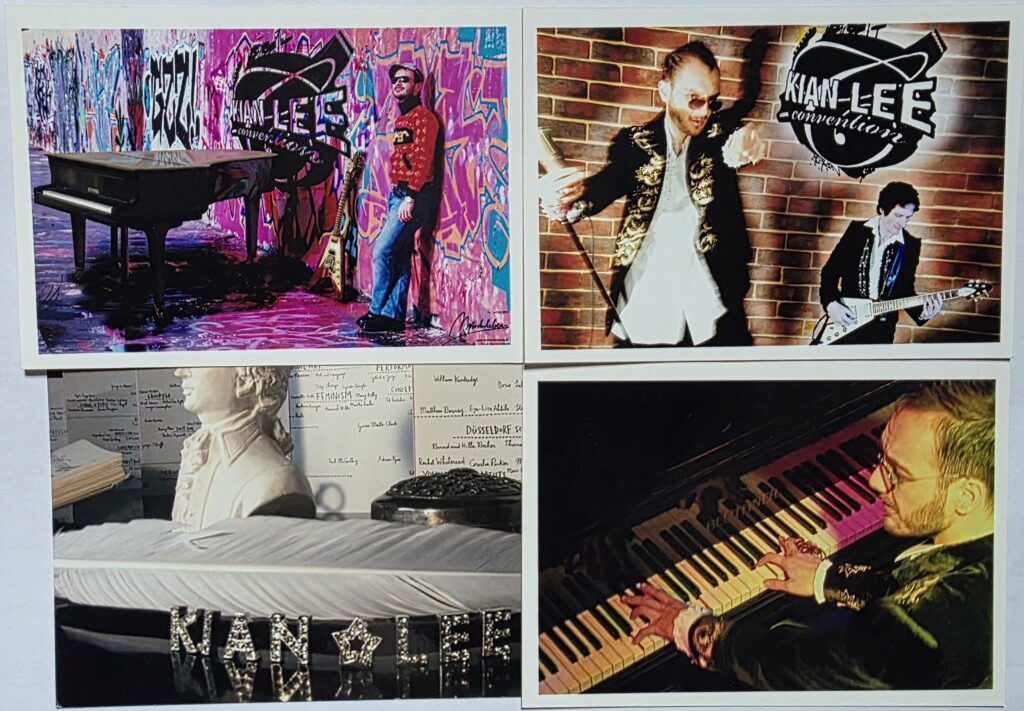
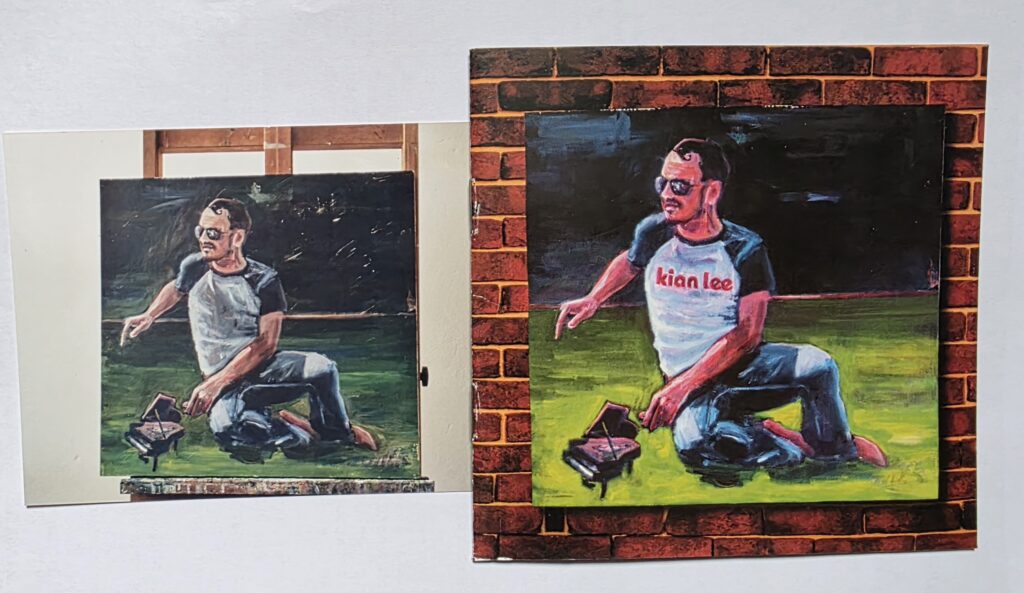
KIAN LEE CONVENTION · GONE
Songwriting by Kian Lee and Erdmann · Apple Music






REINVENTION
BECOMING BASTIAN LEE JONES.
Kian Lee Convention eventually came to an end.
What followed was not an immediate new beginning, but a period of searching.
The music remained.
The piano remained.
The work remained.
But the artist identity no longer felt complete.
For a time, I experimented with different names — Leeway van Bastian, Bastian, Bastian Lee.
Then another element entered the story: the Grotrian-Steinweg grand piano that would become an important part of my musical world.
Around the same time, Thomas Anker suggested that I invite his brother, DJ Pepe Vargas, to dinner. He had years of experience with live events, audiences and artistic presentation.
During that conversation, a name emerged:
Bastian Lee.
And then:
Bastian Lee Jones.
Thomas immediately liked it.
At first, I hesitated. Five syllables felt long.
But the name stayed.
It sounded international without erasing where I came from.
Bastian connected me to Germany.
Lee carried my Indonesian family heritage.
Jones opened another imaginative and cultural association with Ireland and the wider English-speaking world.
There was another way of reading it, too.
Bastian — the young hero from Michael Ende’s The Neverending Story.
Lee — echoing Bruce Lee.
Jones — recalling Indiana Jones.
Three figures that had lived somewhere in my imagination for years.
Whether by biography, association or instinct, the name suddenly held together things that had previously existed separately.
Cian Lee became Kian Lee.
Kian Lee became Bastian Lee.
And eventually:
BASTIAN LEE JONES.
The search for an artist name had become something larger.
It had become the point at which biography, imagination, cultural identity and artistic intention finally met.
And from there, another chapter began.